Escape February, Keep Your Calendar — Warm Cities on US Time Zones
Warm enough to forget it's February, close enough to keep your stand-ups. Nine cities on US-adjacent time zones with street food worth the layover.
 #1
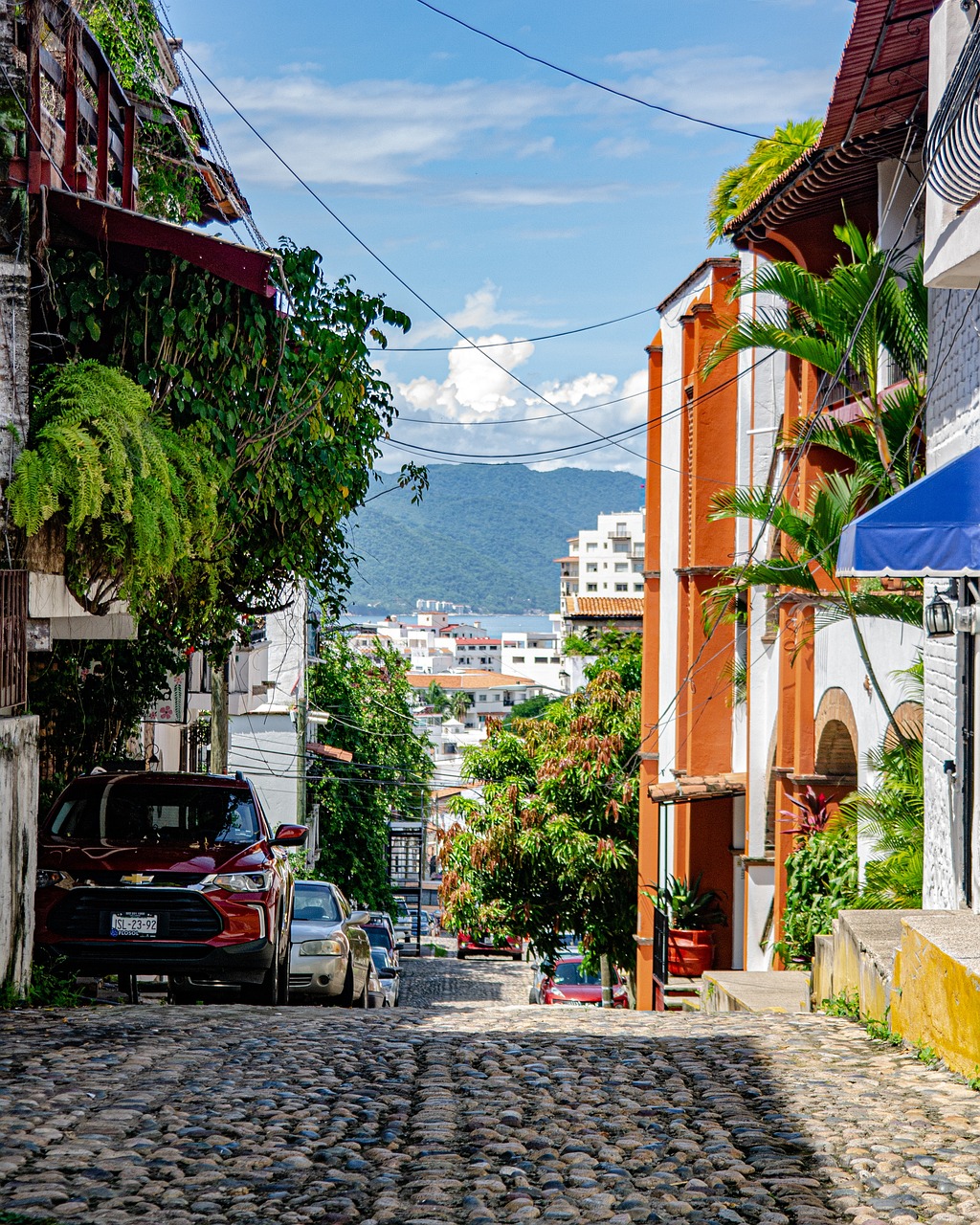
#1Puerto VallartaMexico
February in Puerto Vallarta means 80°F days, zero rain, and you're still on Pacific Time for morning standups. Skip the all-inclusive zone and head to the Viejo Vallarta (Old Town) where family-run restaurants serve fresh catch—think ceviche with lime and cilantro at a beachfront taco stand, not a resort plate—and a beer costs $1.50. You'll find furnished rentals for $600–$800/month with reliable wifi, and the malecón (waterfront promenade) is where locals actually spend their evenings, not tourists.
 #2
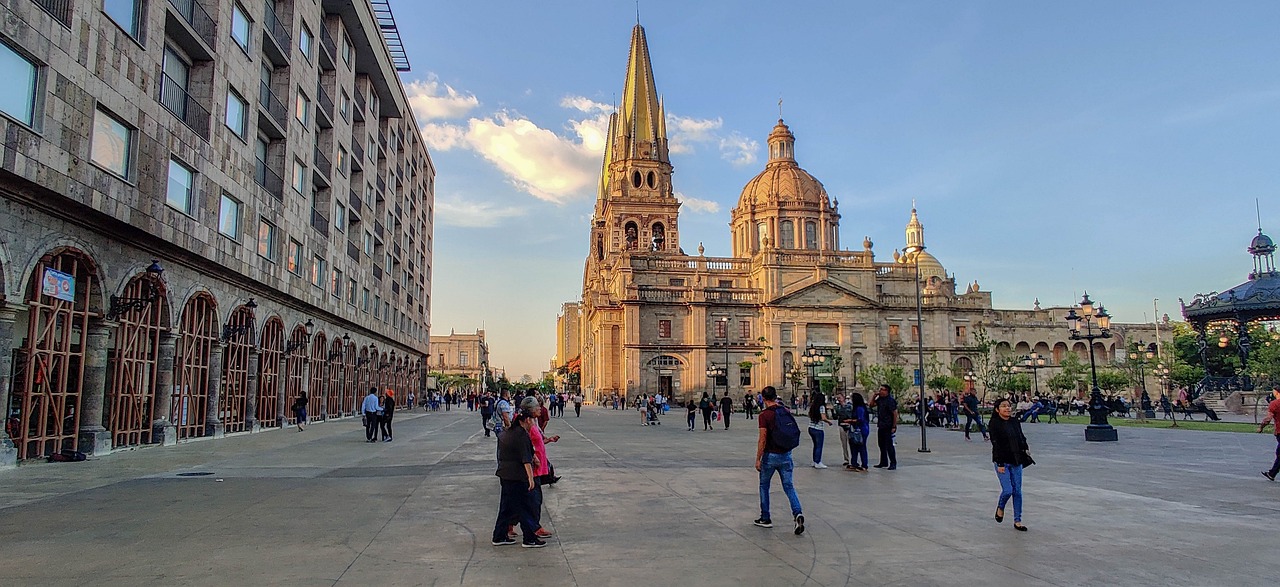
#2GuadalajaraMexico
Guadalajara in February hits 75–80°F with zero rain and no jet lag — you're in the same time zone as your San Francisco calls. Tacos al birote (shredded pork in a crusty roll) cost $1.50, three-course lunch menus run $4–6, and the city's food identity orbits tortas ahogadas (drowned sandwiches) and micheladas in neighborhood spots like Tlaquepaque, not tourist plating. Rent a furnished place for $400–600/month and eat like a local while staying plugged in.
 #3
#3OaxacaMexico
February in Oaxaca means 75°F days, zero rain, and the city on Pacific time — your 9 a.m. call is their 7 a.m. Meals cost $3–5 at fondas in the Central de Abastos market, where vendors sell tlayudas, mole negro, and tejate (a pre-Hispanic corn drink). The colonial center fills with galleries and mezcal bars, and you can rent a furnished apartment for $400–600/month in Xoxocotlán or Jalatlaco, both walkable to everything that matters.
 #4
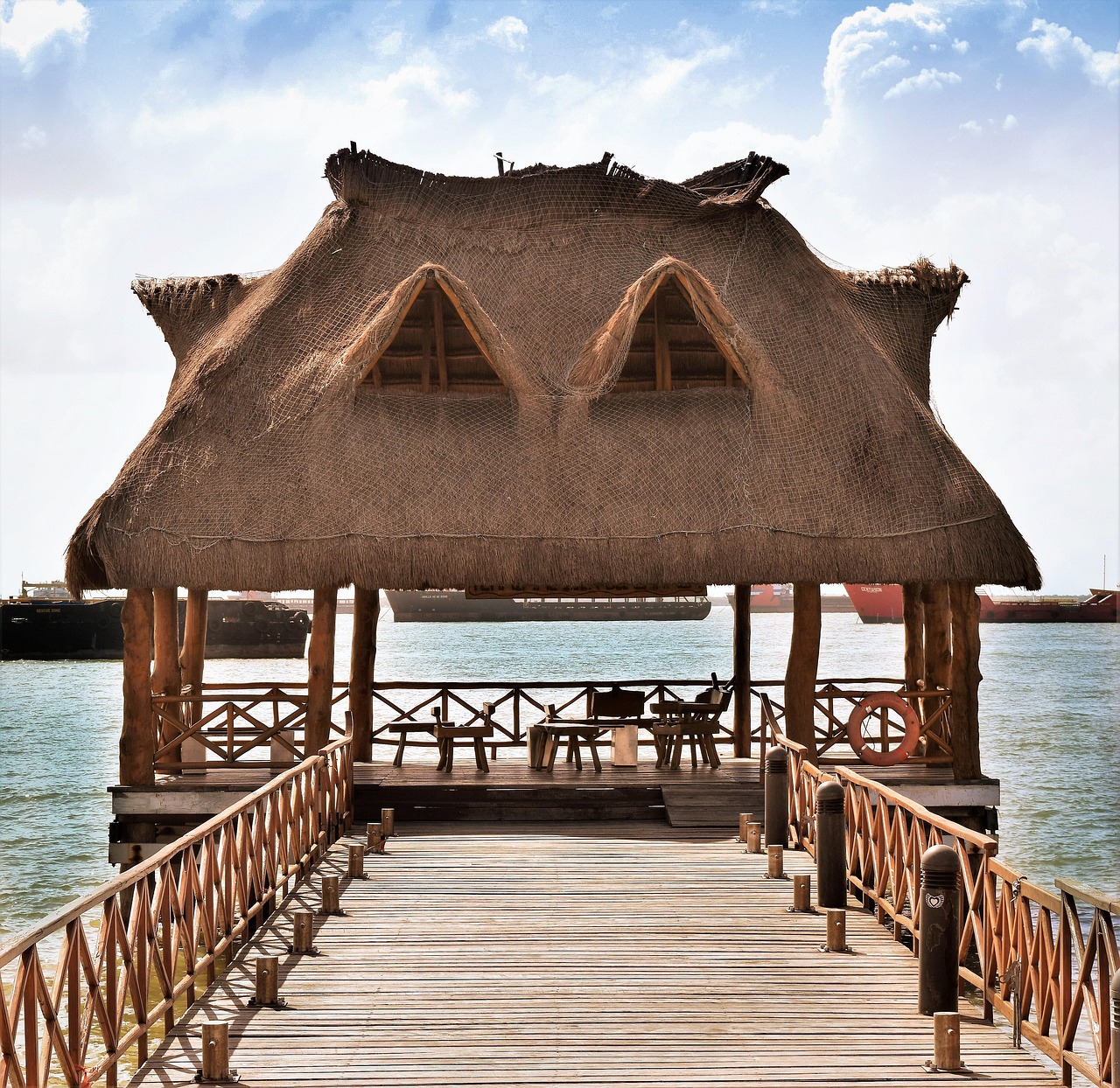
#4Playa del CarmenMexico
Playa del Carmen in February hits the sweet spot: 80°F beach days with zero rain, the same time zone as San Francisco for morning calls, and dirt-cheap tacos al pastor from carts in La Quinta Avenida that cost $1.50. Beyond the resort zone, neighborhoods like Constituyentes have local comedores serving fresh ceviche and cochinita pibil for a fraction of tourist prices, and you're a short walk from the Caribbean Sea whenever you need to step away from your laptop.
 #5
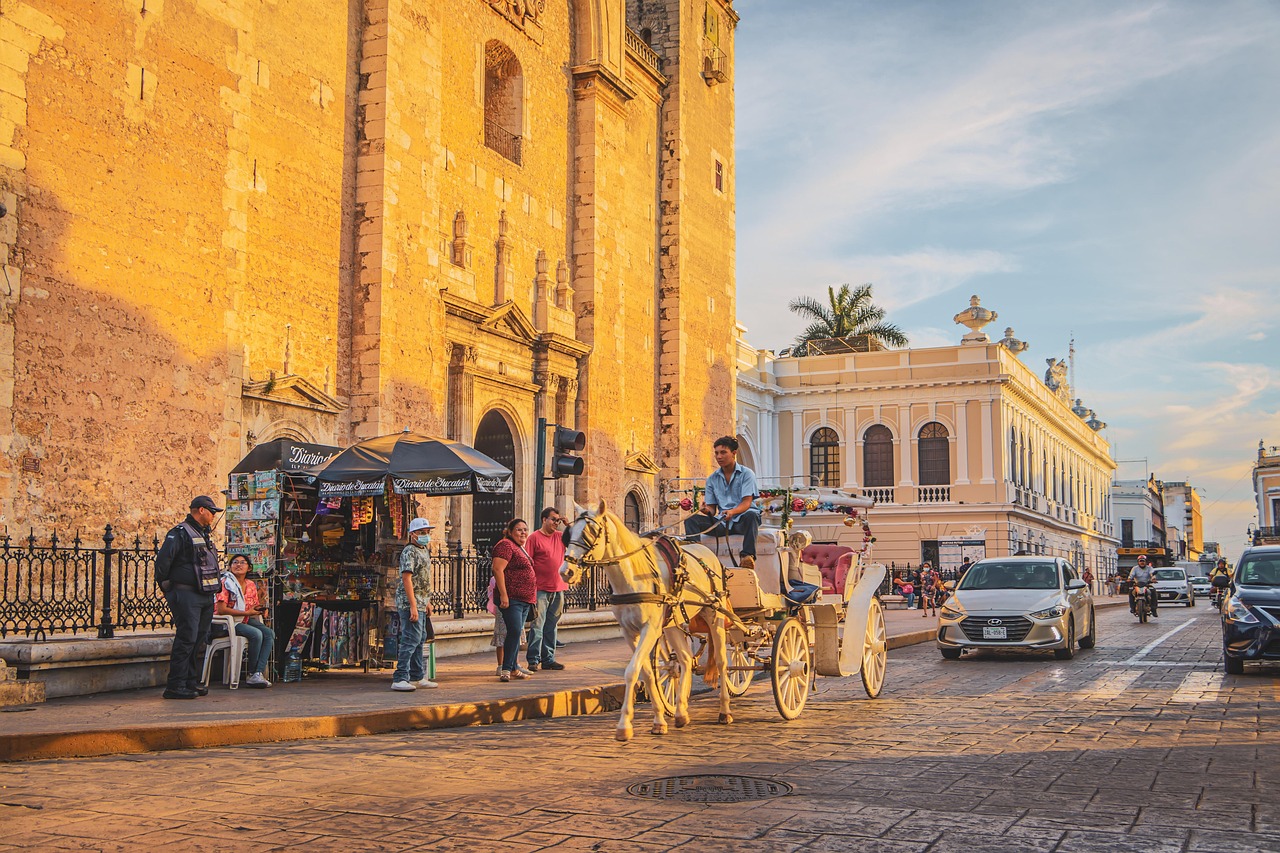
#5MeridaMexico
Merida sits in the Yucatan Peninsula's interior, where February brings cloudless 80°F days and zero rain — ideal for staying alert on Pacific-time calls without jet lag. A one-bedroom in the centro costs $400–600/month, and the real draw is eating: cochinita pibil (slow-roasted pork) at family-run comedores, fresh lime soup at market stalls, and mezcal bars run by people who actually make it. The city's colonial plazas and cenote-fed cuisine feel lived-in, not packaged for tourists.
 #6
#6San SalvadorEl Salvador
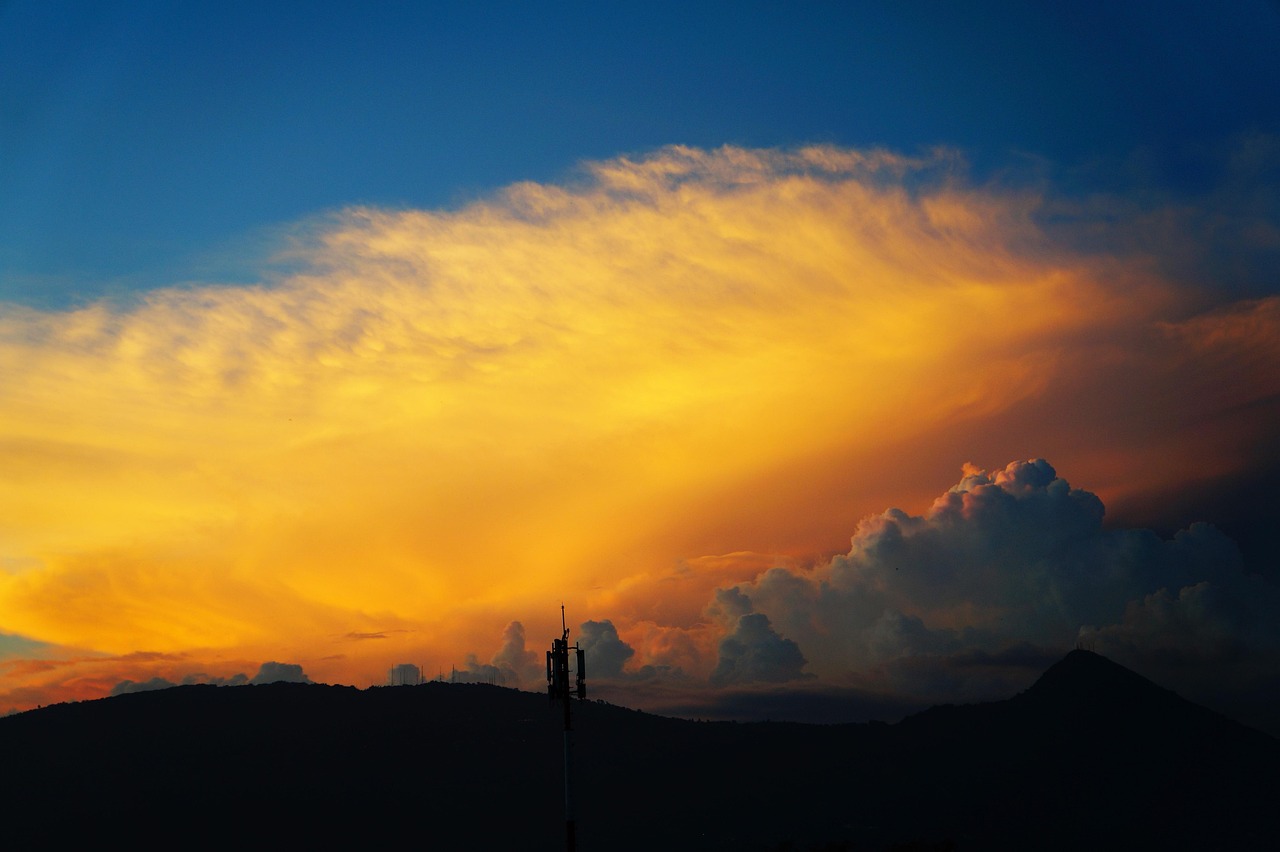
San Salvador's February weather hovers around 80°F with zero rain—warm but not sweltering, and the timezone aligns perfectly with West Coast work calls. A bowl of pupusas (corn cakes stuffed with cheese and beans) costs under $2 at comedores in the historic Casco Antiguo, where you'll also find craft mezcal bars and family-run restaurants serving revueltas (scrambled eggs with loroco flowers) that locals eat, not tourists. Spanish-colonial plazas and volcanic mountain views fill the city's core, and monthly rent runs $400–600 for a furnished one-bedroom with reliable internet.
 #7
#7GranadaNicaragua
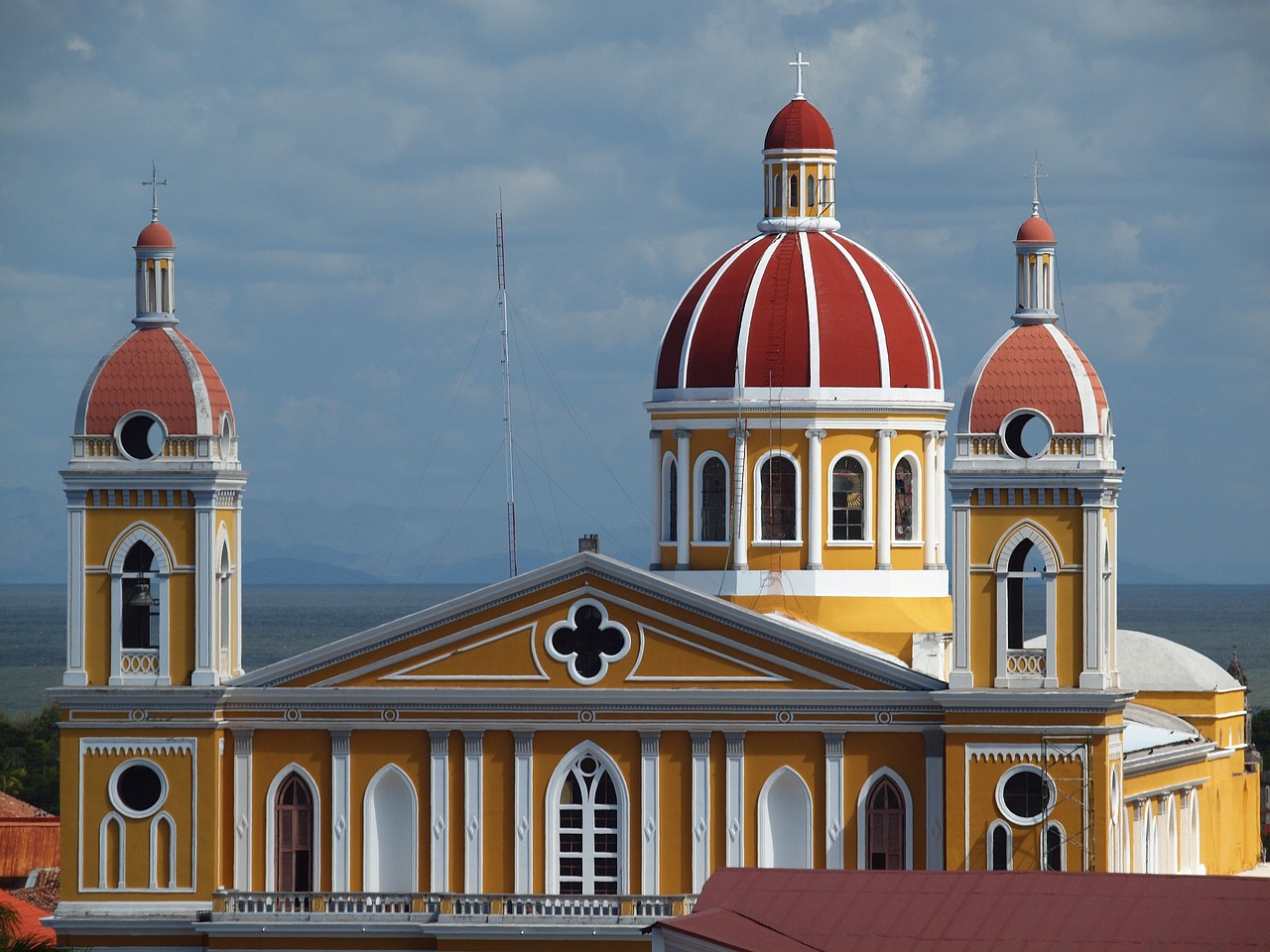
Granada sits on Lake Nicaragua's shore with colonial plazas, cheap local comida (rice, beans, fresh cheese for $3–4), and a real neighborhood vibe — no all-inclusive bubble. February is the dry season and warm without oppressive heat, so you'll work morning calls from a café or your room without sweating through your laptop. The timezone is Central, only one hour behind Pacific, and the cost of living ($25–35/day) means you're not burning through a remote-work budget while you escape the US winter.
 #8
#8Mexico CityMexico
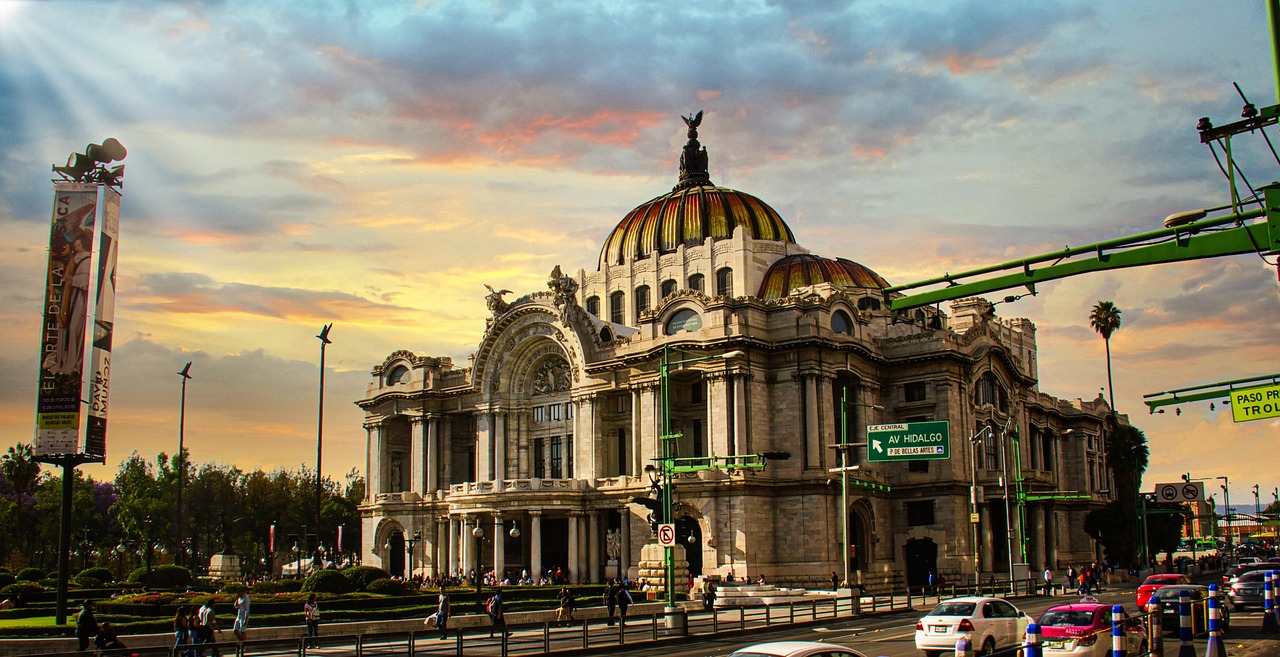
The traveler wants to escape February cold, needs to stay on US work hours (Mexico City is Central Time, one hour ahead of PST), and wants genuine food that isn't tourist resort fare. Mexico City is warm in February (70–75°F, dry season), mezcal and mole are cheap eats that anchor the city's food identity, and the neighborhood markets and street stalls around La Merced or Coyoacán are where locals eat — not tourists. The city is also significantly cheaper than San Francisco for rent and dining. It's a direct timezone fit and a food destination that rewards curiosity over all-inclusive resorts.
San JoseCosta Rica
San José sits in the Central Valley at 3,800 feet elevation, so February feels like California spring—70s by day, cool enough for sweaters at night. The city runs on Central Time (one hour ahead of Pacific), making your work calls seamless. Street food in Barrio Escalante and the Central Market (Mercado Central) means $3–5 meals of fresh ceviche, gallo pinto, and casados; locals eat here, not tourists. You'll find furnished apartments for $600–800/month, and the colón keeps everything cheaper than the coasts while the infrastructure—reliable WiFi, coworking spaces, reliable power—handles remote work without compromise.
Want this list tuned to your airport?
Run the same brief from your home city and month — different flight times change the picks.
Build my version →