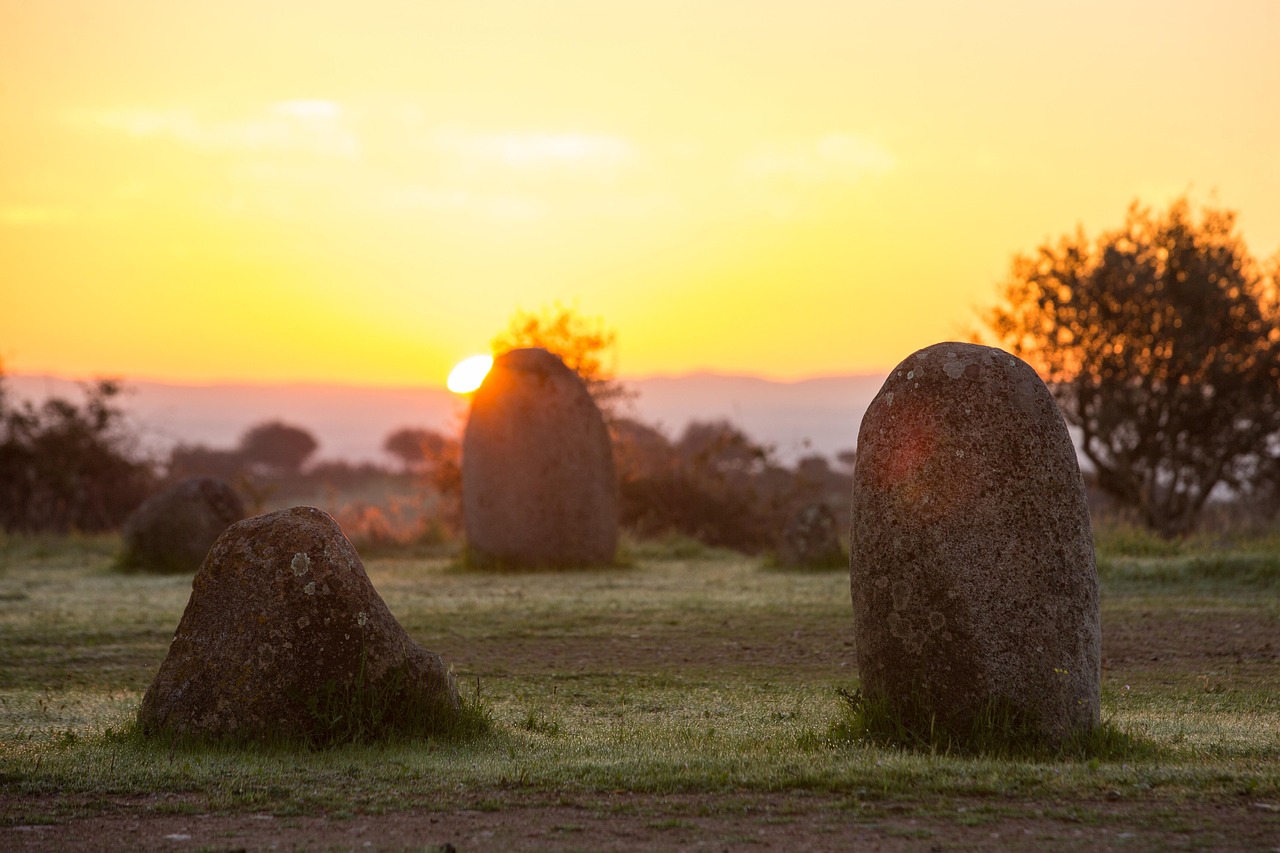
Évora, Portugal
Scores
Quick Facts
- Internet Speed:85 Mbps
- Affordability:average
- English:reasonable
- Public Transit:reasonable
- Walkability:great
Why It Fits
Évora stands out as one of Europe's best-preserved medieval cities, with a compact historic center where Roman ruins, Renaissance palaces, and baroque churches blend seamlessly. The city's main draws include the iconic Temple of Diana, the stunning Cathedral, cork-lined streets, and proximity to Alentejo's wine country and cork forests. The local food scene is excellent—hearty Alentejo cuisine, outstanding regional wines, and welcoming tascas (traditional restaurants)—while the pace of life is noticeably slower and more relaxed than Lisbon. Évora works best as a base from September to May. The best months are September–October and March–May, when temperatures are mild (15–25°C), accommodation is easier to find, and the summer tourist crowds have thinned. Avoid June–August: summer heat (30–35°C) is intense, the historic center becomes packed with tour groups, and accommodation prices spike. Winter (November–February) is cool and wet, but fewer tourists and lower prices appeal to budget travelers; however, gray skies and limited daylight can feel oppressive. Évora suits travelers seeking cultural immersion, slower pacing, and lower costs than major Portuguese cities. It's ideal for digital nomads who want reliable wifi, good cafés, and a genuine local vibe rather than the expat bubble found in Lisbon or the Algarve. The downside: nightlife is minimal (one or two decent bars), and the city can feel sleepy in winter. Public transit is limited but the city is small enough to walk everywhere. English proficiency is reasonable among younger locals, but less reliable outside the tourist center.
Popular Activities
See flights to Évora
Enter your nearest airport (IATA code) to show flight options.
Historical Weather
Average temperatures and rainfall