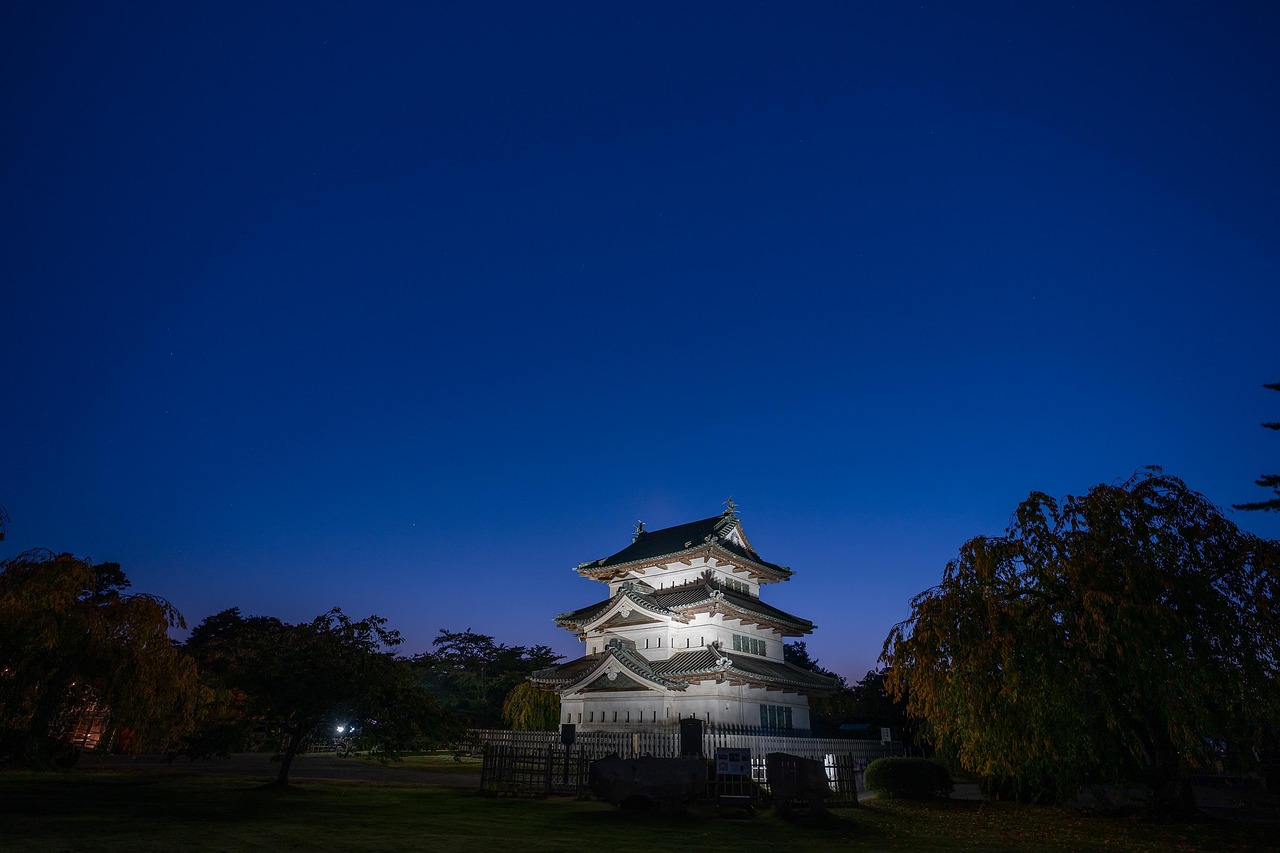
Aomori, Japan
Scores
Quick Facts
- Internet Speed:70 Mbps
- Affordability:average
- English:reasonable
- Public Transit:reasonable
- Walkability:reasonable
Why It Fits
Aomori represents a slower-paced alternative to Japan's major metropolitan centers, offering access to stunning natural attractions like Hirosaki Castle, the Shimokita Peninsula, and the Towada-Hachimantai National Park. The city has a genuine local character with strong food traditions—Aomori is famous for producing Japan's best apples, scallops, and squid—and features excellent seasonal festivals, particularly the Aomori Nebuta Festival (August) which is one of Japan's most vibrant celebrations. The waterfront location and mountain proximity make it ideal for travelers who want to combine city amenities with outdoor exploration. The best time to visit is late summer (July-August) for the Nebuta Festival and warm weather, though this is also peak tourist season. Spring (April-May) offers pleasant cherry blossom season with smaller crowds, while autumn (September-October) provides mild weather and beautiful foliage. Winter (December-February) sees heavy snowfall and can be brutally cold, making it challenging for most travelers, though it attracts snow enthusiasts and creates a serene atmosphere. Avoid visiting during Golden Week (late April-early May) and Obon (mid-August) when Japan experiences domestic travel surges. Aomori suits travelers who prioritize nature, food culture, and authentic local experiences over nightlife and cosmopolitan amenities. It's an excellent base for exploring northern Honshu and offers significantly better value than Tokyo or Kyoto. However, it's quieter than major digital nomad hubs—there are coworking spaces and reasonable accommodations, but the entertainment and social scene is limited compared to larger cities. The city works best for remote workers with flexible schedules who want to immerse themselves in Japanese nature and regional culture.
Popular Activities
See flights to Aomori
Enter your nearest airport (IATA code) to show flight options.
Historical Weather
Average temperatures and rainfall