Azores, Portugal
Scores
Quick Facts
- Internet Speed:25 Mbps
- Affordability:average
- English:great
- Public Transit:reasonable
- Walkability:great
Why It Fits
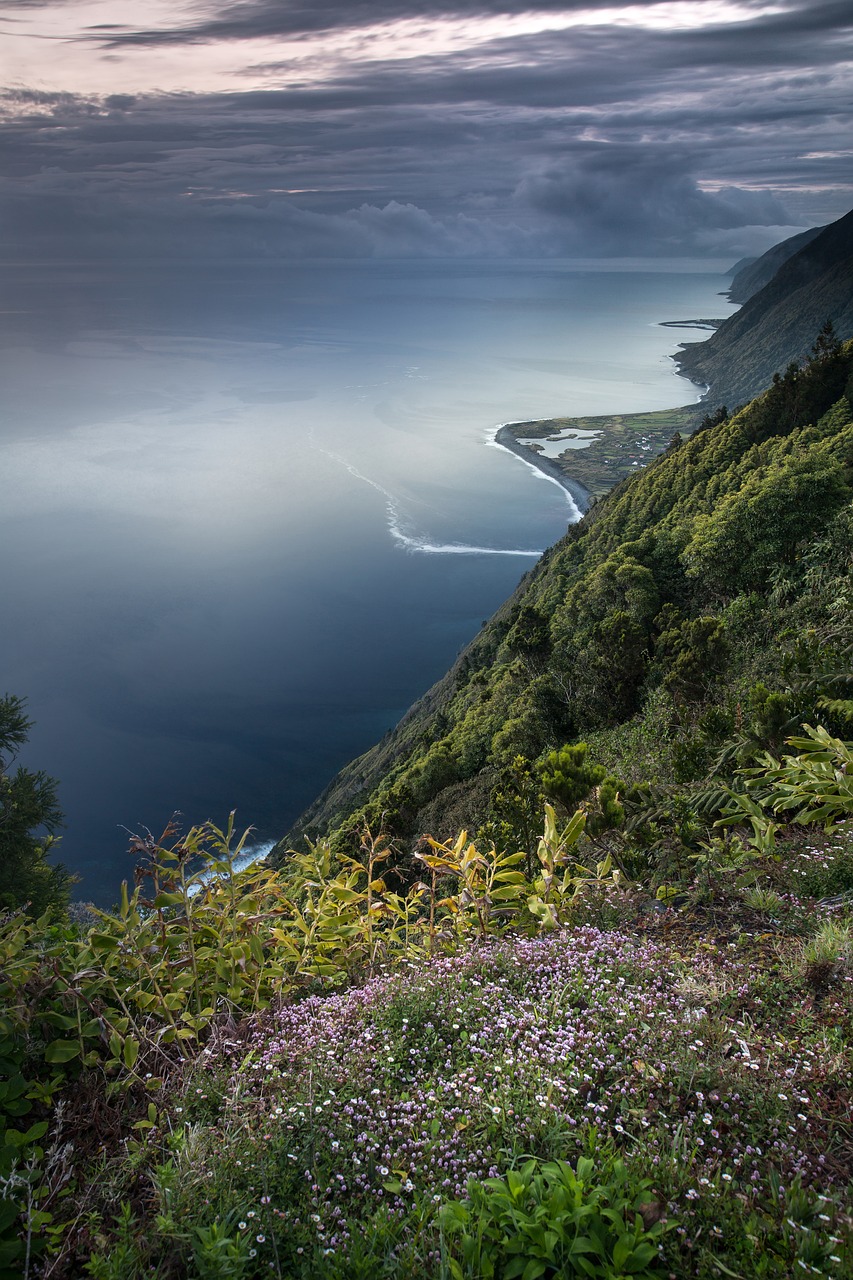
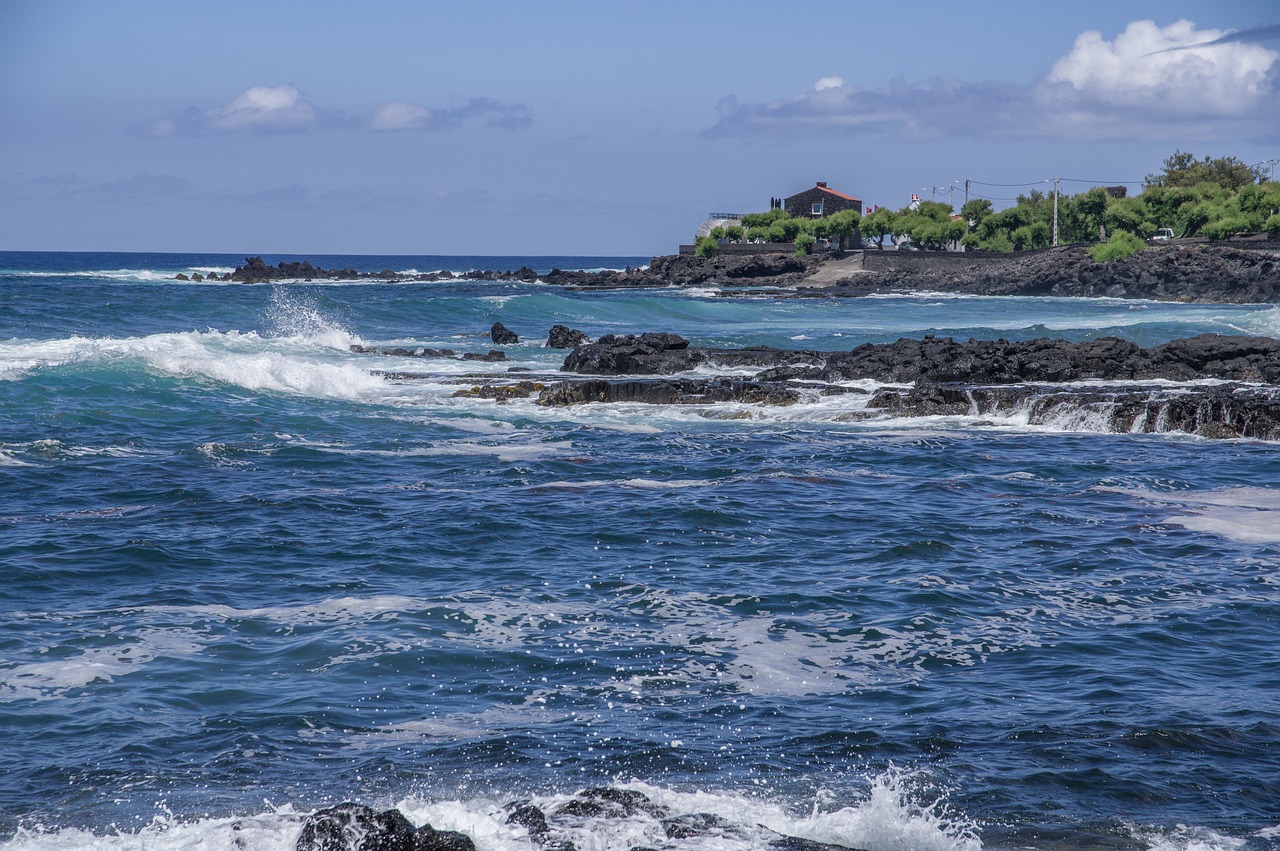
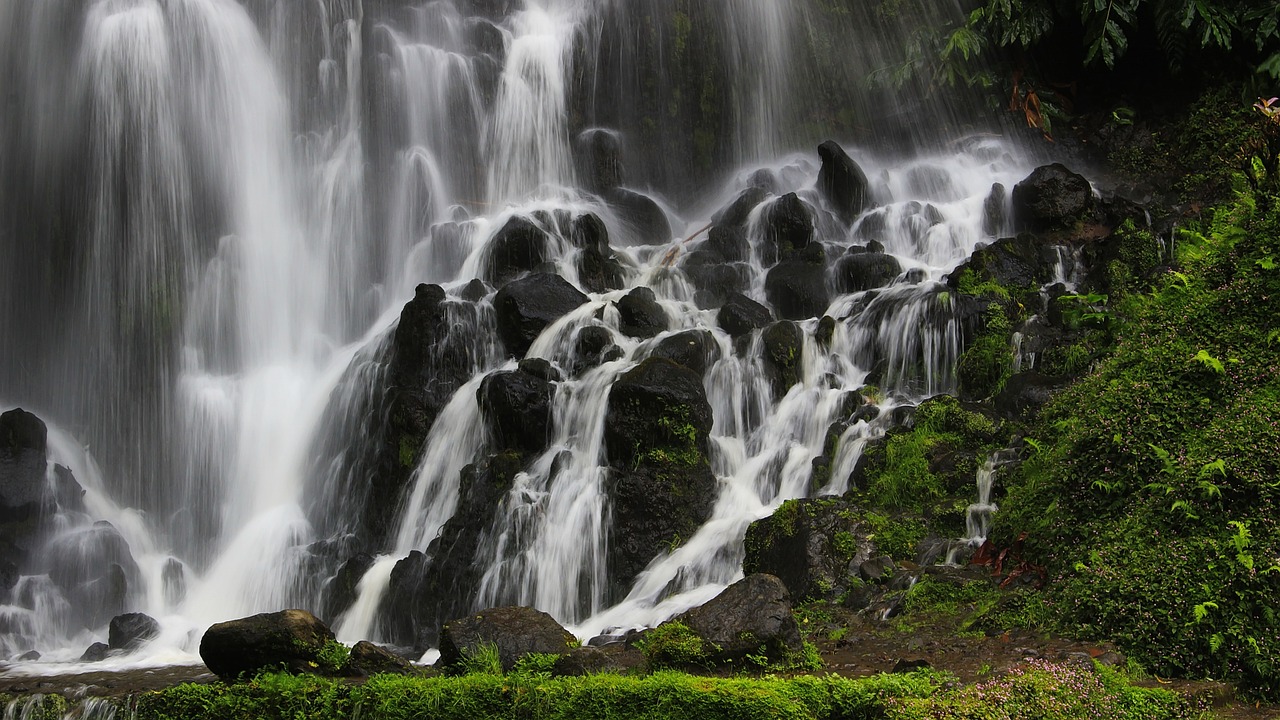
The Azores, located in the North Atlantic Ocean, are a group of nine volcanic islands renowned for their dramatic landscapes, breathtaking views, and outdoor activities. Each island has its own unique charm, with opportunities for hiking, whale watching, and exploring geothermal springs. The vibrant flora and fauna offer an ideal backdrop for photography, while the archipelago's rich cultural heritage can be experienced through its delightful cuisine and local festivals. The best time to visit the Azores is during the shoulder seasons, primarily late spring (April to June) and early fall (September to November). During these months, the weather is pleasantly mild, rainfall is lower, and tourist crowds are less intense, allowing for a more relaxed experience. Although summer (July and August) is the warmest time, it tends to attract many tourists, which can result in higher prices and busier attractions. Conversely, winter months (December to March) are generally cooler and wetter, with some hiking trails and attractions possibly closed due to weather conditions, making this period less appealing for travelers. Activities such as hiking the Sete Cidades crater, enjoying whale watching tours, and soaking in natural hot springs are popular year-round, but spring and fall offer the best conditions. The local cuisine, especially seafood, is a highlight and should not be missed, with many restaurants embracing farm-to-table practices. Additionally, festivals like Festa do Espírito Santo are fantastic for immersing oneself in Azorean culture, showcasing local traditions and community spirit.
Popular Activities
See flights to Azores
Enter your nearest airport (IATA code) to show flight options.
Historical Weather
Average temperatures and rainfall