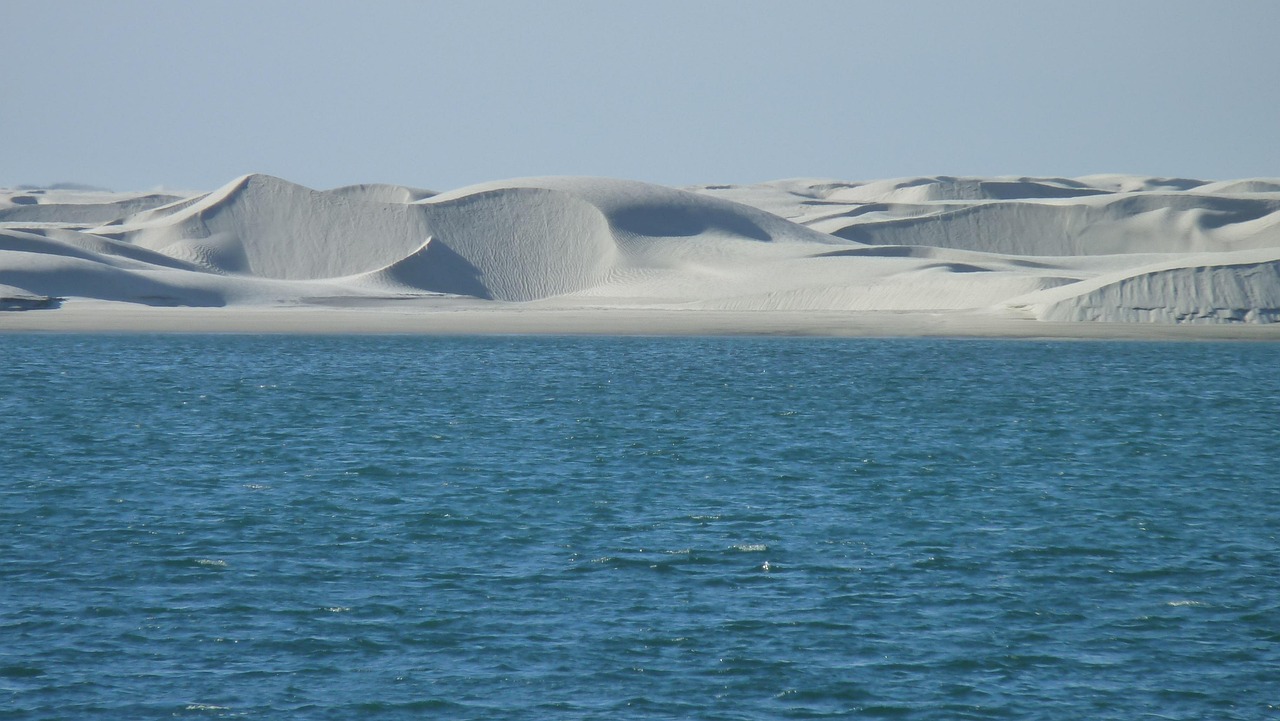
Baja California Sur, Mexico
Scores
Quick Facts
- Internet Speed:35 Mbps
- Affordability:average
- English:reasonable
- Public Transit:poor
- Walkability:reasonable
Why It Fits
Baja California Sur is Mexico's southernmost state on a narrow peninsula, dominated by the Sonoran Desert and bordered by the Pacific Ocean and Sea of Cortez. The main population centers—La Paz (the capital) and Cabo San Lucas—offer modern tourist infrastructure, but much of the region remains sparsely populated and underdeveloped. The vibe is distinctly frontier and nature-focused: excellent sport fishing, whale watching (December–April), diving, and hiking attract outdoor enthusiasts, while culture tends toward beach town casualness rather than pre-Columbian history or urban sophistication. English is spoken widely in tourist areas, especially Cabo, but drops sharply outside major towns. The best time to visit is November through April, when temperatures are warm (75–85°F) and humidity is low; December–March offers peak whale watching. Summer (June–September) is brutally hot (95–105°F) with high humidity, frequent afternoon thunderstorms, and occasional hurricanes (peak August–October). Many travelers avoid May–October not just for weather but because tourism drops, services thin out, and prices sometimes rise due to scarcity. September–October carries genuine hurricane risk, making infrastructure and accessibility unreliable. Baja California Sur suits travelers who prioritize outdoor adventure—fishing, diving, kayaking, desert exploration—over cultural attractions or vibrant nightlife. La Paz is quieter and more authentic than Cabo but still has decent restaurants, galleries, and a charming waterfront. Cabo San Lucas is heavily commercialized with resort-heavy development, overpriced tourism pricing, and a party atmosphere that contrasts sharply with the desert's natural tranquility. Budget travelers will find the region more expensive than mainland Mexico; costs are comparable to Lisbon or Mexico City. Internet is available but inconsistent outside major towns. Road infrastructure varies widely; many routes are unpaved, and distances between settlements are vast. This is not a destination for digital nomads seeking coworking spaces or reliable connectivity, but rather for remote workers with flexible schedules and those seeking remote cabins and natural isolation.
Popular Activities
See flights to Baja California Sur
Enter your nearest airport (IATA code) to show flight options.
Historical Weather
Average temperatures and rainfall