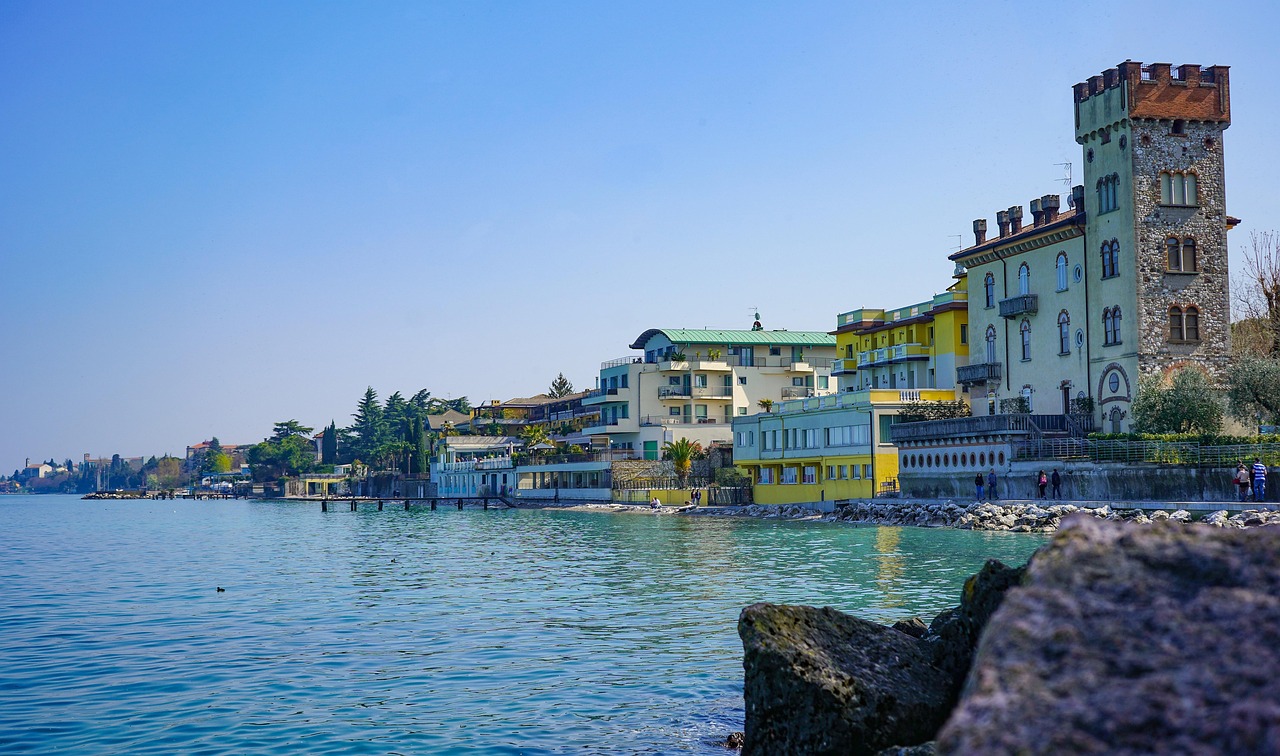
Brescia, Italy
Scores
Quick Facts
- Internet Speed:85 Mbps
- Affordability:average
- English:reasonable
- Public Transit:great
- Walkability:great
Why It Fits
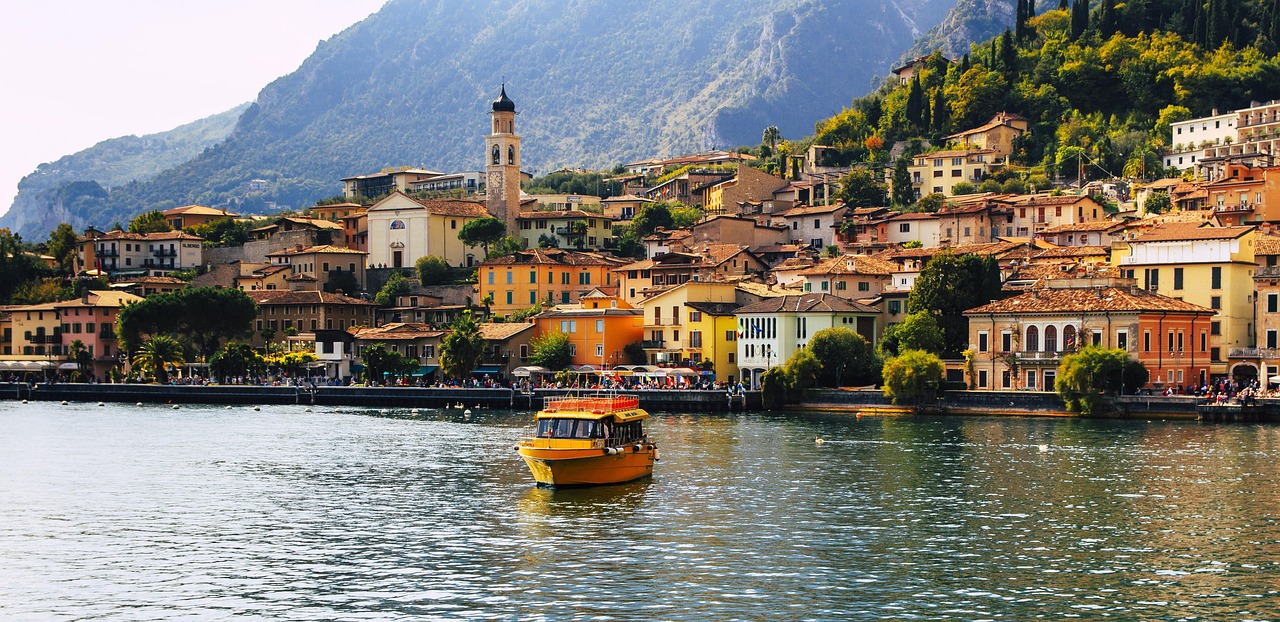
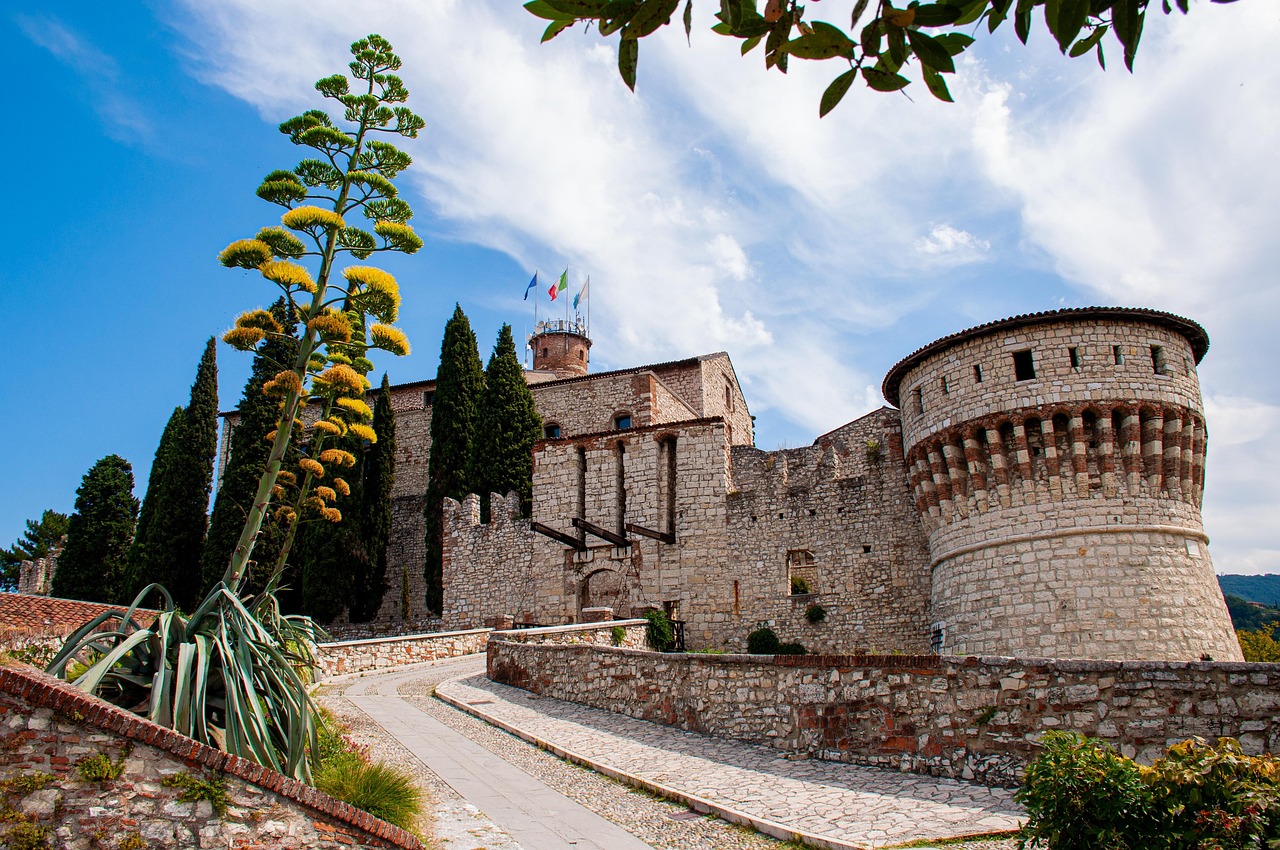
Brescia sits in the industrial heartland of northern Italy, about 90 minutes from Milan, and has historically been a manufacturing center—a reality that shapes its character as a working city rather than a polished tourist destination. The city rewards curious travelers with exceptional museums (the Pinacoteca Tosio-Martinengo and Santa Giulia complex are outstanding), a beautiful Renaissance old town, and Piazza della Loggia that rivals more famous Italian plazas. The local food scene is excellent, with casoncelli (stuffed pasta) and marmite (a beloved local paste) representing genuine regional cuisine, and the surrounding Franciacorta wine region offers accessible tastings just outside the city. Brescia also benefits from proximity to Lakes Garda and Iseo, making it a good base for exploring the lakes without the tourist crowds of Garda's resort towns.The best time to visit is May–June and September–October, when weather is mild and the city is neither sweltering nor packed with school groups. July–August brings intense heat and Italian holiday crowds, while November–March can feel grey and industrial. Winter is genuinely wet and cold, though fewer tourists means easier access to attractions. Brescia suits travelers seeking authentic Lombard culture and art without the crowds or expense of Milan or Venice—it's ideal for those who appreciate museums, regional food, and a real Italian working city vibe, rather than picture-postcard scenery.
Popular Activities
See flights to Brescia
Enter your nearest airport (IATA code) to show flight options.
Historical Weather
Average temperatures and rainfall