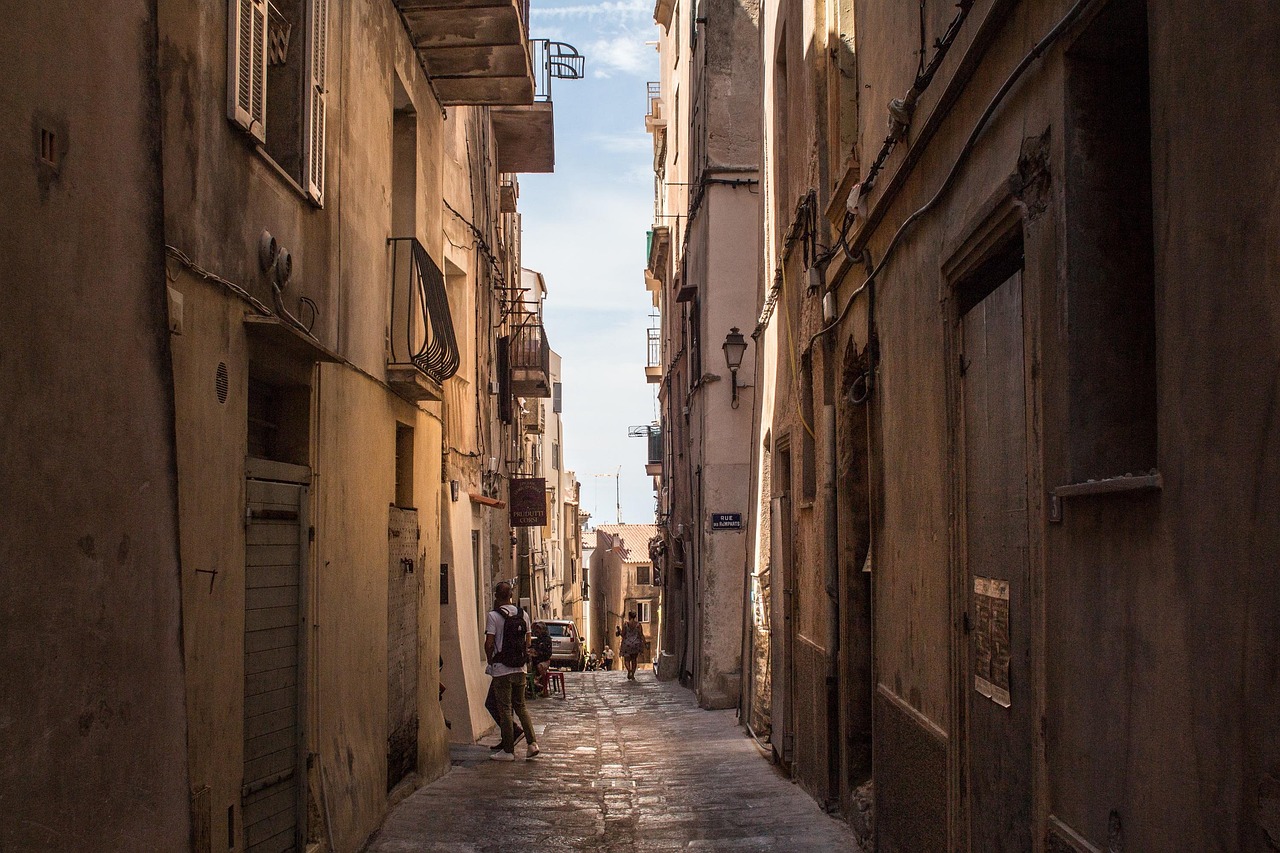
Corsica, France
Scores
Quick Facts
- Internet Speed:75 Mbps
- Affordability:expensive
- English:reasonable
- Public Transit:reasonable
- Walkability:reasonable
Why It Fits
Corsica blends rugged alpine scenery with turquoise sea access, creating a unique island identity shaped by its history and tight-knit communities. The island's interior features the GR20 hiking trail and granite peaks, while coastal towns like Bonifacio, Calvi, and Ajaccio offer Mediterranean charm with upscale dining and cultural attractions. The island culture emphasizes polyphonic singing, local food (charcuterie, cheeses, pastries), and a certain pride in Corsican heritage that feels distinct from mainland France. The best time to visit is May-June and September-October, when weather is warm (70-80°F), crowds are moderate, and accommodation prices haven't peaked. July-August sees peak tourism with inflated prices, packed beaches, and intense heat (85°F+), making it less ideal for nomads seeking focused work time. Winter (November-March) brings mild temperatures (50-60°F) and far fewer tourists, but some infrastructure closes and sea conditions worsen for water activities. April and late September also work well as shoulder seasons with pleasant weather and reasonable pricing. Corsica suits travelers who value natural scenery, hiking, and Mediterranean culture over budget constraints, and who enjoy a slower pace than major cities. The island's small size (about 3,300 sq mi) means you can easily explore multiple regions, but it's not ideal for those seeking cutting-edge nightlife or major cultural institutions. Digital nomads should expect limited coworking spaces outside major towns, quieter evenings, and a more leisure-focused vibe than urban hubs, though reliable WiFi exists in tourist-oriented accommodations and cafés.
Popular Activities
See flights to Corsica
Enter your nearest airport (IATA code) to show flight options.
Historical Weather
Average temperatures and rainfall