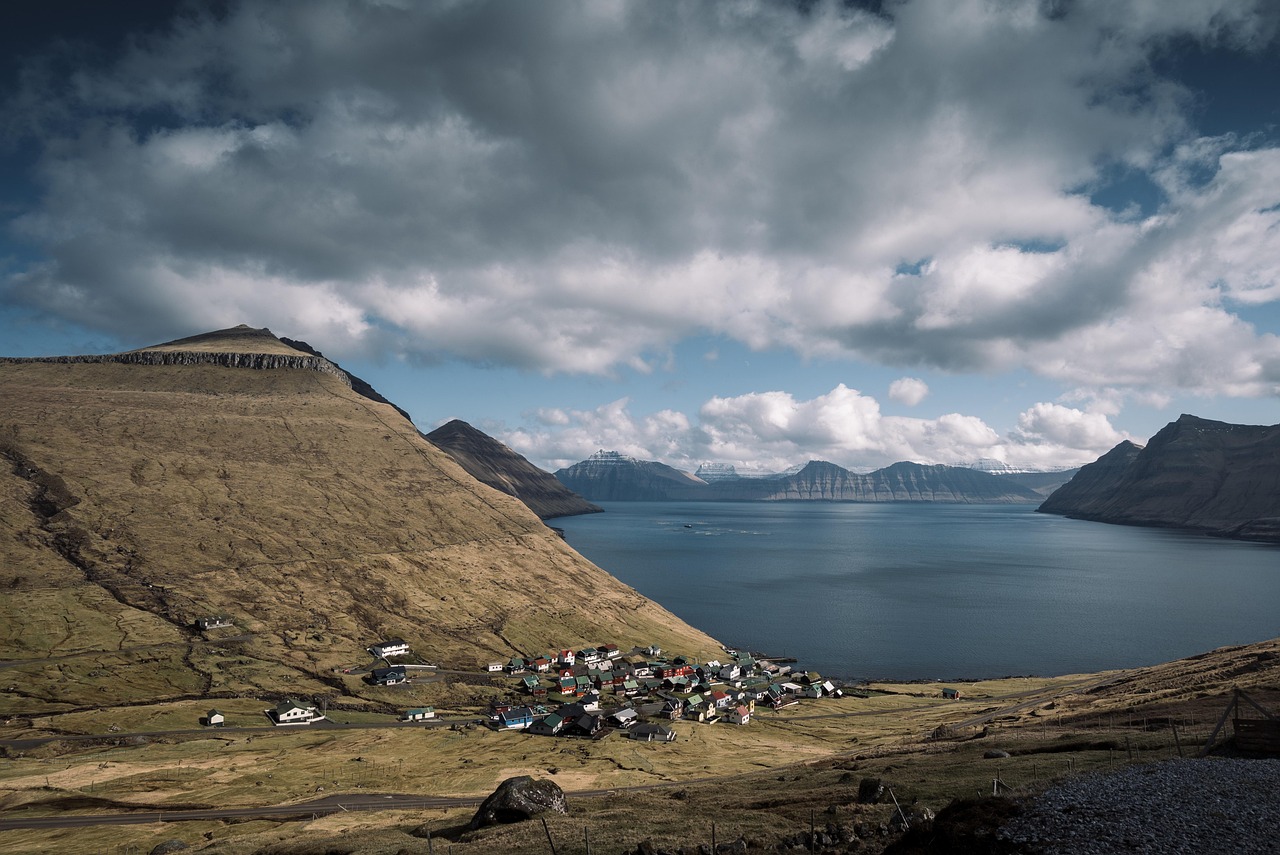
Faroe Islands, Faroe Islands
Scores
Quick Facts
- Internet Speed:85 Mbps
- Affordability:expensive
- English:great
- Public Transit:poor
- Walkability:reasonable
Why It Fits
The Faroe Islands are a self-governing Danish territory in the North Atlantic featuring some of Europe's most spectacular and rugged scenery—towering sea cliffs, cascading waterfalls, and picturesque villages nestled between mountains and fjords. The culture blends Scandinavian efficiency with a tight-knit community vibe, strong Viking heritage, and exceptional local cuisine centered on fresh seafood and traditional lamb dishes. For digital nomads, this is a niche destination suited to those prioritizing natural beauty, outdoor activities (hiking, photography, birdwatching), and a quiet work environment over nightlife and urban attractions. The islands are expensive and remote, with limited coworking spaces and a very small population (~50,000), but offer excellent internet infrastructure and genuine escape from typical nomad hubs. The best time to visit is June through August, when daylight stretches nearly 24 hours, temperatures reach 12-15°C (54-59°F), weather is more stable, and outdoor activities are most accessible. This is also peak tourist season, so villages are busier and accommodation pricier. September and early October offer crisp autumn weather with northern lights beginning to appear, though days shorten rapidly. Winter (November-February) is harsh with frequent storms, short daylight (just 4-5 hours in December), and many outdoor activities become difficult; however, this period offers the best chance to see dramatic aurora borealis and is significantly cheaper. Spring (March-May) is unpredictable with lingering snow and wind but fewer tourists. The Faroe Islands suit independent travelers, nature photographers, writers, and remote workers who value tranquility over convenience, and who have flexible work schedules to handle unpredictable weather. This is not a destination for those seeking budget travel, vibrant nightlife, extensive dining variety, or easy social scenes. Expect to spend significantly on accommodation (€100-200+ per night for basic options), food (limited grocers, expensive imported goods), and car rental. Most towns are car-dependent, though hiking between settlements is possible for adventurous souls. English proficiency is high among younger Faroese, but outside tourist areas communication can be challenging.
Popular Activities
See flights to Faroe Islands
Enter your nearest airport (IATA code) to show flight options.
Historical Weather
Average temperatures and rainfall