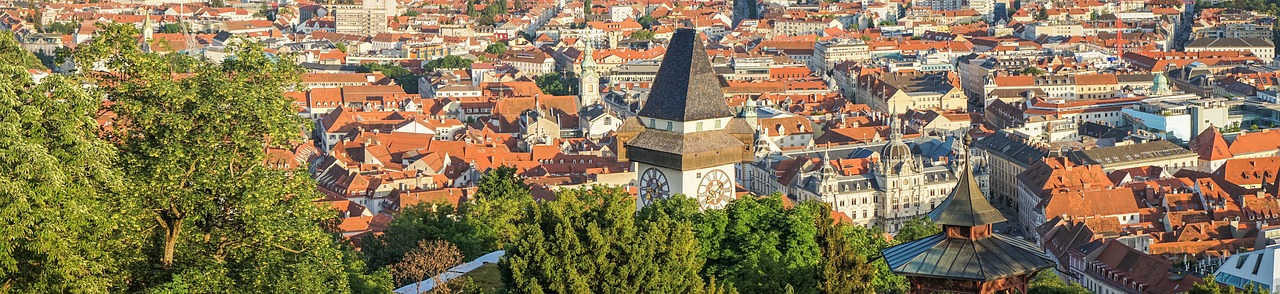
Graz, Austria
Scores
Quick Facts
- Internet Speed:65 Mbps
- Affordability:average
- English:reasonable
- Public Transit:great
- Walkability:great
Why It Fits
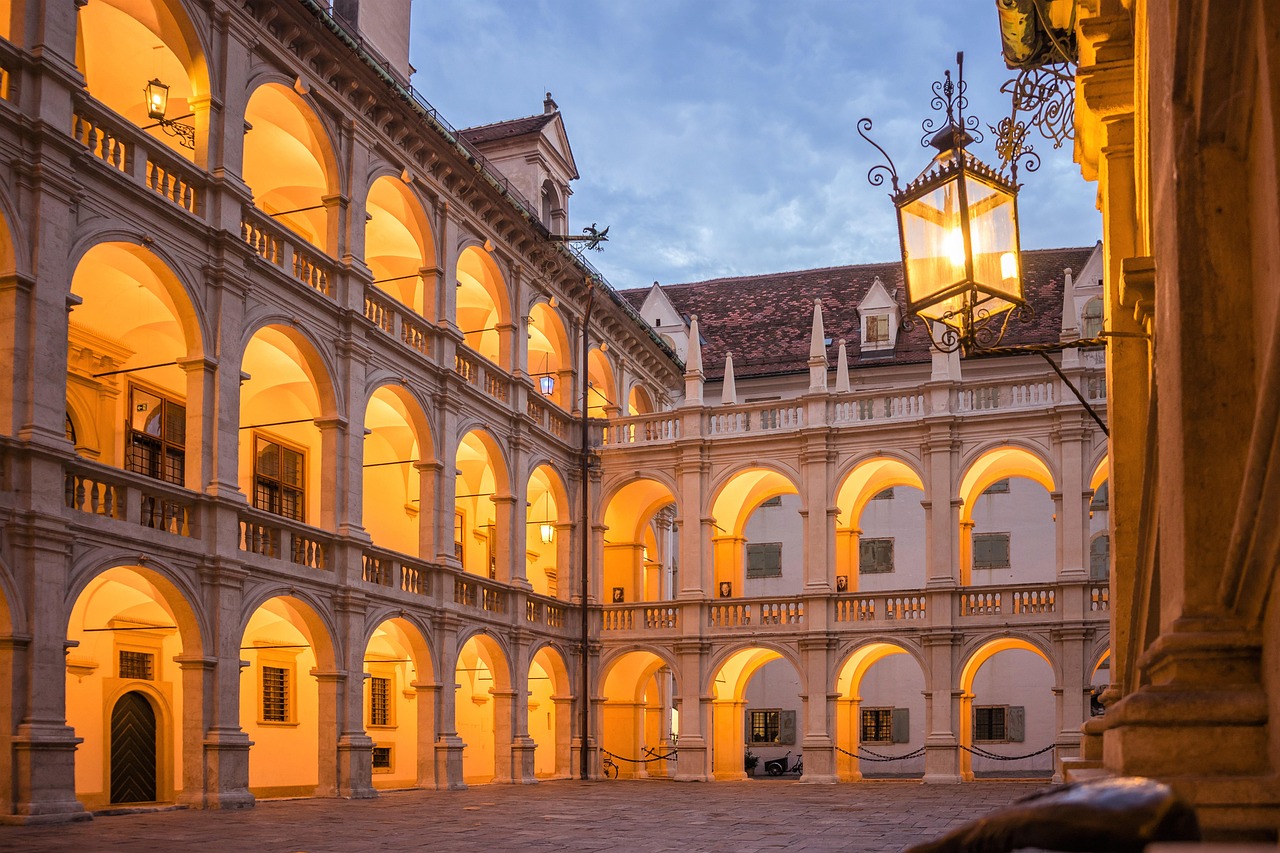
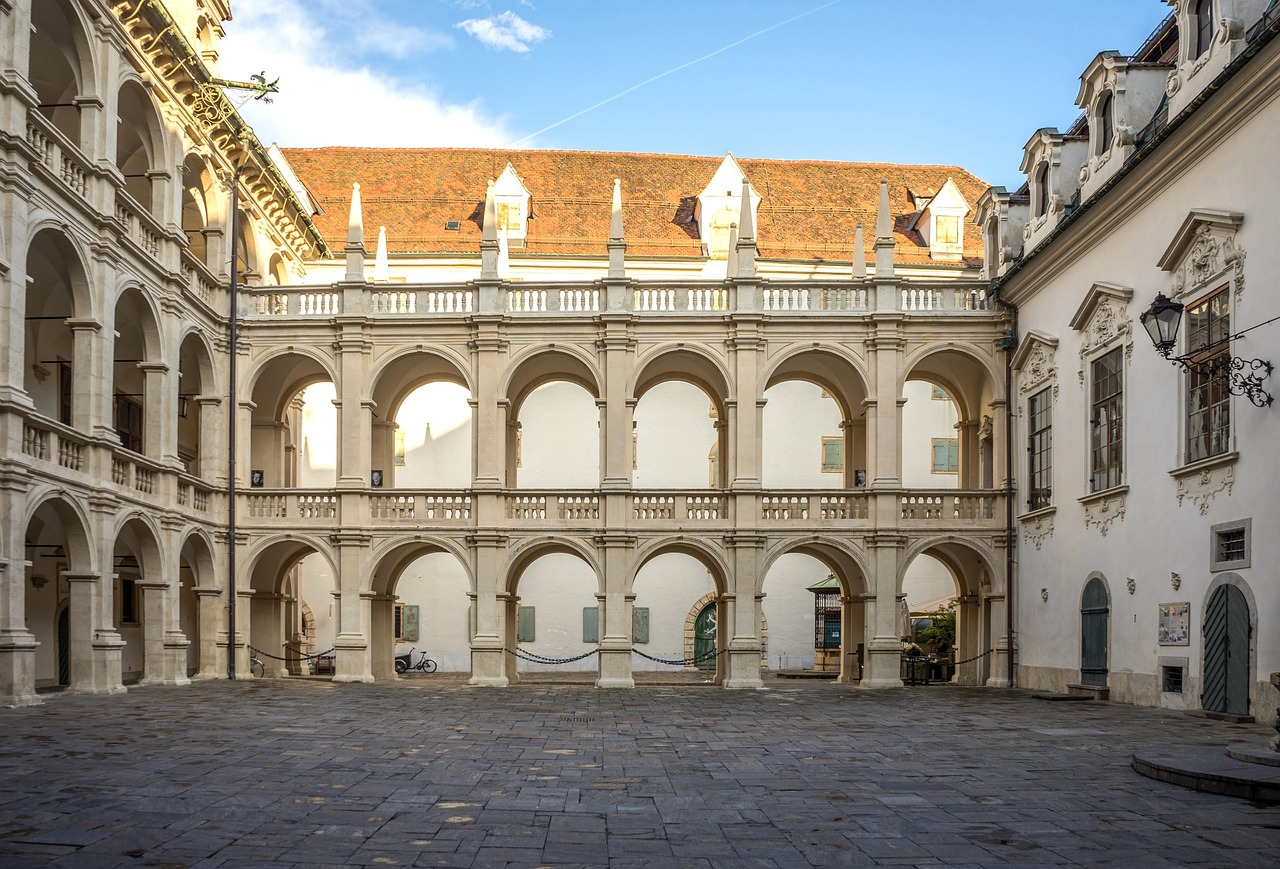
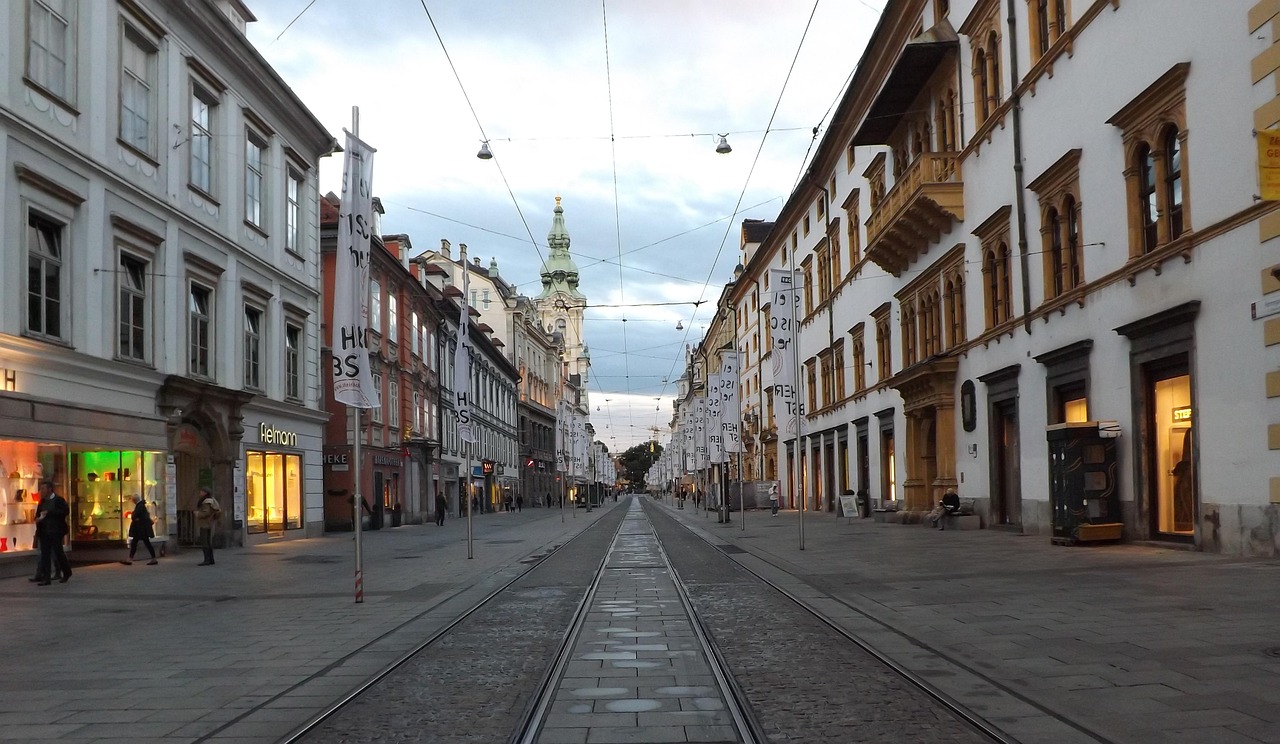
Graz punches above its weight as a cultural hub, with the Kunsthaus (modern art museum), Murinsel (riverside installation), and a beautifully preserved Old Town drawing visitors without the tourist saturation of Vienna or Salzburg. The city has a strong student population that keeps the food scene, nightlife, and cultural calendar vibrant year-round. Accommodation and dining are notably cheaper than Western Europe, though pricier than Thailand or Eastern Europe—expect €800–1200/month for a decent flat and €10–15 for lunch. The compact, walkable city center and reliable public transport (trams, buses) mean you won't need a car. Best months to visit are May–June (late spring, mild weather, outdoor festivals) and September–October (early autumn, clear skies, fewer crowds). July–August can be warm but quiet as locals leave; winter (December–February) is cold and gray, though Christmas markets add charm. Graz is less dramatic than mountain destinations, so it suits travelers wanting stability, good connectivity, and cultural depth over scenic hiking or beach relaxation. The city benefits from Austrian efficiency—reliable internet (~50–80 Mbps), excellent healthcare, and strong rule of law make it comfortable for remote work. English proficiency is reasonable (better among younger people and in the city center) but German is the main language. Crime is very low, and the general vibe is orderly and safe for solo travelers. It lacks the nightlife buzz of Berlin or Barcelona but compensates with quality museums, riverside walks, nearby wine regions, and easy train access to Vienna, Ljubljana, and the Alps.
Popular Activities
See flights to Graz
Enter your nearest airport (IATA code) to show flight options.
Historical Weather
Average temperatures and rainfall