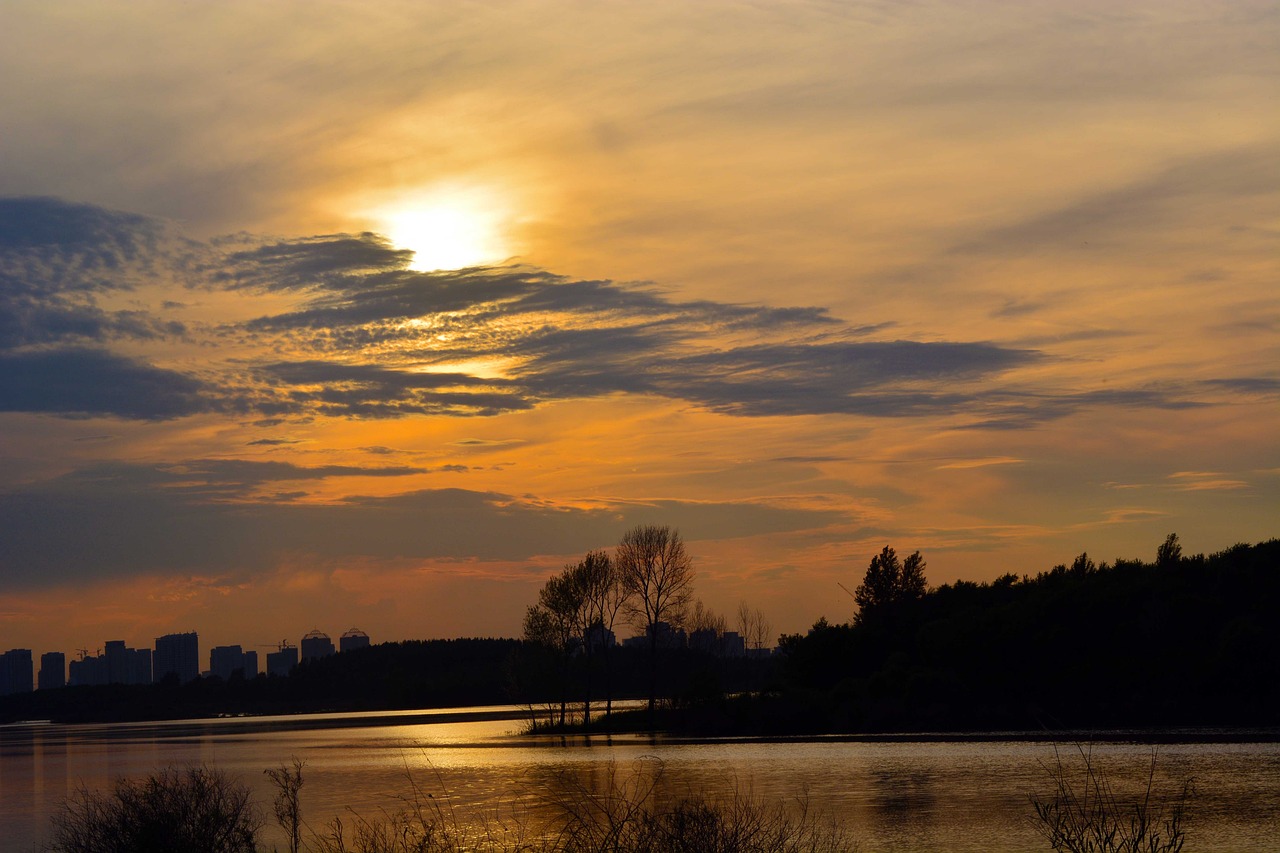
Harbin, China
Scores
Quick Facts
- Internet Speed:80 Mbps
- Affordability:cheap
- English:challenging
- Public Transit:reasonable
- Walkability:reasonable
Why It Fits
Harbin sits at the crossroads of Russian and Chinese culture, with a distinctive architectural heritage from its early 20th-century Russian influence—visible in Orthodox churches, classical buildings, and the European-style Sophia Cathedral district. The city transforms dramatically with seasons: in summer (June-August), temperatures hover around 25°C with lush parks and riverside activity, while winters (December-February) plunge to -20°C but create the famous International Ice and Snow Sculpture Festival, where enormous ice sculptures light up the night. The best season for most travelers is September-October (mild weather, clear skies) and May-June (spring blooms), while winter appeals specifically to ice festival enthusiasts despite extreme cold and short daylight hours. The worst times are March-April (muddy, unpredictable weather) and July-August (humid, crowded with domestic tourists). Harbin's food scene is hearty and meat-heavy, influenced by Northeast Chinese and Russian cuisines—expect dumplings, roasted meats, and rich broths rather than the refined Sichuan or Cantonese fare of southern cities. The city has reasonable nightlife concentrated in the Sophia district and around Sun Island, with bars and KTV clubs catering mainly to local professionals rather than international tourists. Major attractions include the Ice and Snow World, the Russian-style architecture walking tours, Siberian Tiger Park, and riverside parks along the Songhua River. Harbin is genuinely challenging for digital nomads and solo travelers: English proficiency outside tourist areas is very low, making navigation difficult without Mandarin or translation apps. The city lacks the cosmopolitan nomad infrastructure of Chiang Mai or Lisbon—coworking spaces are limited, international housing networks are sparse, and long-term rental negotiations require patience and local assistance. It works best for travelers who speak some Chinese, are comfortable with industrial-city grit, and are drawn specifically to Russian heritage or winter sports rather than seeking a comfortable remote-work base.
Popular Activities
See flights to Harbin
Enter your nearest airport (IATA code) to show flight options.
Historical Weather
Average temperatures and rainfall