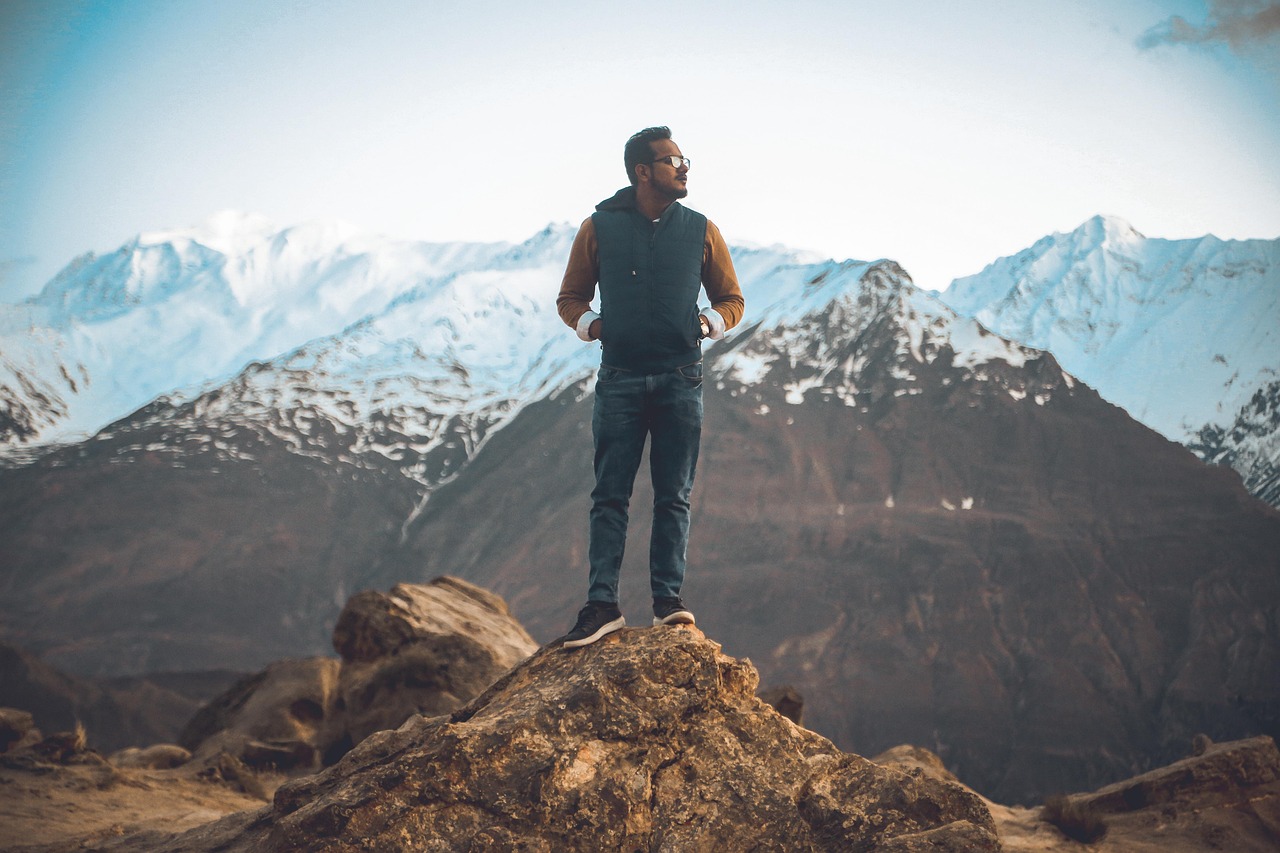
Hunza Valley, Pakistan
Scores
Quick Facts
- Internet Speed:5 Mbps
- Affordability:cheap
- English:challenging
- Public Transit:poor
- Walkability:reasonable
Why It Fits
Hunza Valley, nestled in the Karakoram Mountains at elevations between 1,500–2,500 meters, is one of Pakistan's most picturesque regions. The valley is famous for its apricot orchards, ancient fortresses (notably Baltit and Altit), and the myth of extraordinary longevity among its inhabitants. The primary settlement, Karimabad, serves as the hub for visitors, offering guesthouses, local restaurants, and trekking outfitters. The landscape is dominated by terraced fields, snow-capped peaks, and the Hunza River, making it ideal for trekking, photography, and cultural immersion. However, the region is extremely remote and challenging to reach, with limited electricity, unreliable mobile networks, and minimal Western amenities. The best time to visit Hunza Valley is May to September, when snow melts, roads are passable, and temperatures are moderate (15–25°C). July and August are peak tourist season but also bring occasional rain and crowded guesthouses. October can still be pleasant with fewer tourists, though mornings become cold. Winter (November to March) is extremely harsh, with heavy snowfall making the valley inaccessible and many guesthouses closing. April is spring transition with unpredictable weather and occasional landslides. Hunza Valley suits adventurous, budget-conscious travelers seeking authentic cultural experiences and wilderness rather than comfort. It appeals to trekkers, nature photographers, and those seeking isolation from mainstream tourism. Digital nomads will find it extremely challenging due to poor internet, lack of coworking infrastructure, and the physical remoteness. The valley demands flexibility, patience with basic facilities, and genuine interest in mountain culture; it is not suitable for those seeking nightlife, diverse dining, or reliable connectivity. The region's security profile has improved in recent years, though it remains a frontier area with occasional militant activity reported in nearby regions. Most visitors experience safe travel, but it requires awareness and checking current travel advisories. The cost of living is exceptionally low by global standards, though reaching the valley requires expensive transportation (flights, jeeps, guides). English proficiency is limited outside the tourism sector, and interactions are often facilitated through Hunza guides or translators.
Popular Activities
See flights to Hunza Valley
Enter your nearest airport (IATA code) to show flight options.
Historical Weather
Average temperatures and rainfall