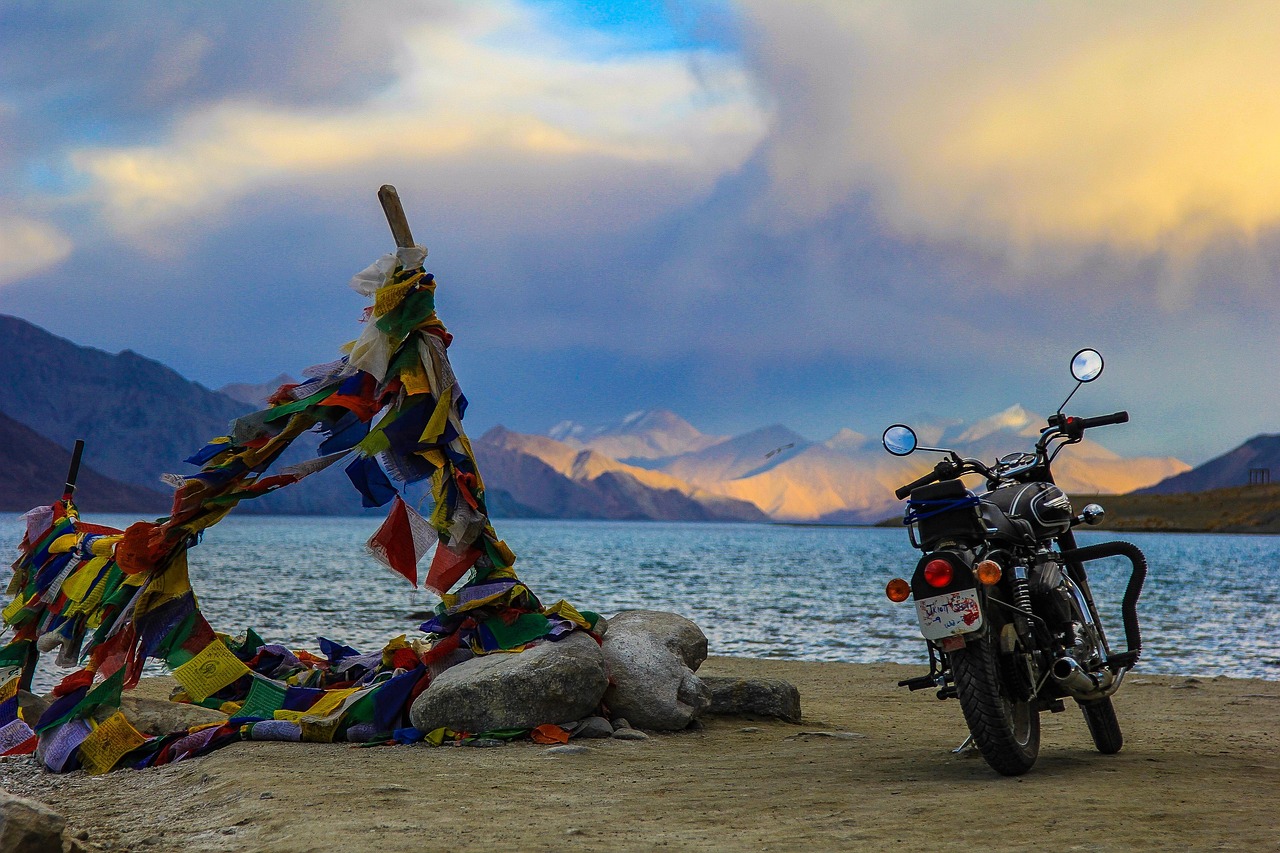
Leh, India
Scores
Quick Facts
- Internet Speed:15 Mbps
- Affordability:cheap
- English:reasonable
- Public Transit:poor
- Walkability:reasonable
Why It Fits
Leh serves as the gateway to Ladakh, a remote region with dramatic desert-mountain scenery, ancient Buddhist monasteries, and a distinct Tibetan cultural identity. The town itself is compact and walkable, centered around a bazaar with guesthouses, restaurants, and tour operators catering to trekkers and adventure seekers. The surrounding region offers iconic routes like the Manali-Leh Highway, treks to high passes, and visits to monasteries like Thiksey and Hemis. However, Leh is extremely remote, has limited amenities compared to major Indian cities, and infrastructure challenges can frustrate longer-stay visitors.The best time to visit is mid-June through September, when high mountain passes are open, weather is stable, and roads are accessible—these months see peak tourist traffic and higher prices. October is still pleasant but passes begin closing. Winter (November–April) brings heavy snowfall, road closures, and extreme cold; many tourists and businesses leave, making it feel abandoned. Spring (May–early June) offers clear skies but ongoing altitude effects and erratic weather. Leh suits adventure travelers, trekkers, spiritual seekers, and those comfortable with altitude, minimal nightlife, and slower-paced travel. It is less suitable for digital nomads requiring consistent internet, coworking spaces, or extensive restaurant scenes.
Popular Activities
See flights to Leh
Enter your nearest airport (IATA code) to show flight options.
Historical Weather
Average temperatures and rainfall