Mombasa, Kenya
Scores
Quick Facts
- Internet Speed:50 Mbps
- Affordability:average
- English:great
- Public Transit:great
- Walkability:great
Why It Fits
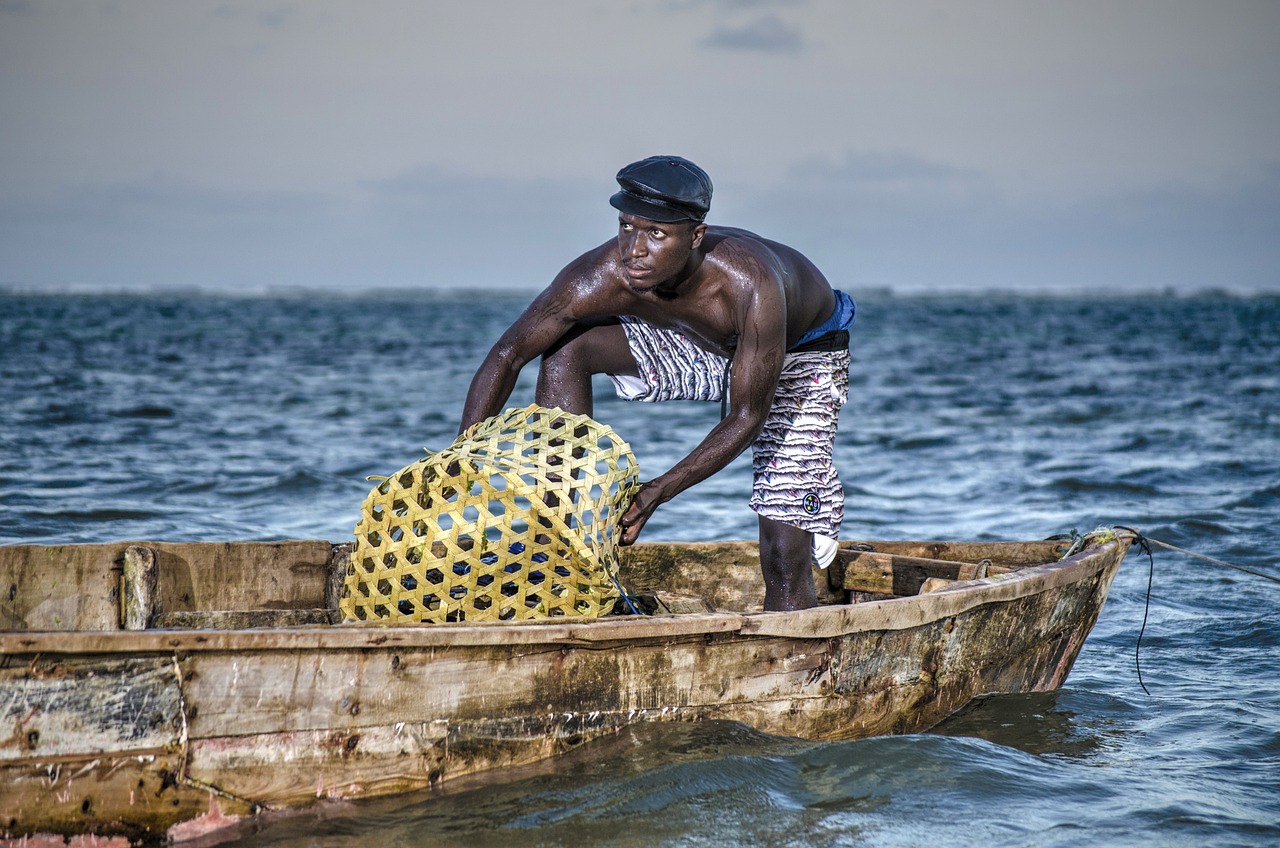
Mombasa pulses with a distinctly coastal East African rhythm that differs markedly from Nairobi's urban intensity. The Old Town exudes a timeless atmosphere with its Swahili architecture, carved wooden doors, and spice-scented alleyways, while the modern city bustles with port activity and commerce. The beaches of Diani to the south and Nyali to the north provide tropical relaxation, and the coral reefs offer excellent snorkeling and diving opportunities. The population speaks Swahili as a first language here, and Islamic culture is more prominent than elsewhere in Kenya. The best time to visit runs from July to October and January to March, when temperatures are warm but humidity is lower and rainfall minimal. The long rains from April to June can be heavy and disruptive, making beach activities less appealing, while the short rains in November are briefer but still present. December through February brings peak tourist season with higher prices but excellent weather. The hottest months of February and March see temperatures regularly exceeding 30°C (86°F) with high humidity. Mombasa suits travelers seeking cultural immersion alongside beach relaxation, particularly those interested in Swahili history and architecture. Beach lovers will find excellent resorts and water sports, while history enthusiasts can explore Fort Jesus and Old Town's historical layers. The city works well as a combination destination with safari trips to Tsavo National Parks or as a standalone coastal retreat. Budget travelers and backpackers will find the city more challenging than beach-focused destinations like Diani, though local food and accommodation options exist beyond the resort areas.
Popular Activities
See flights to Mombasa
Enter your nearest airport (IATA code) to show flight options.
Historical Weather
Average temperatures and rainfall