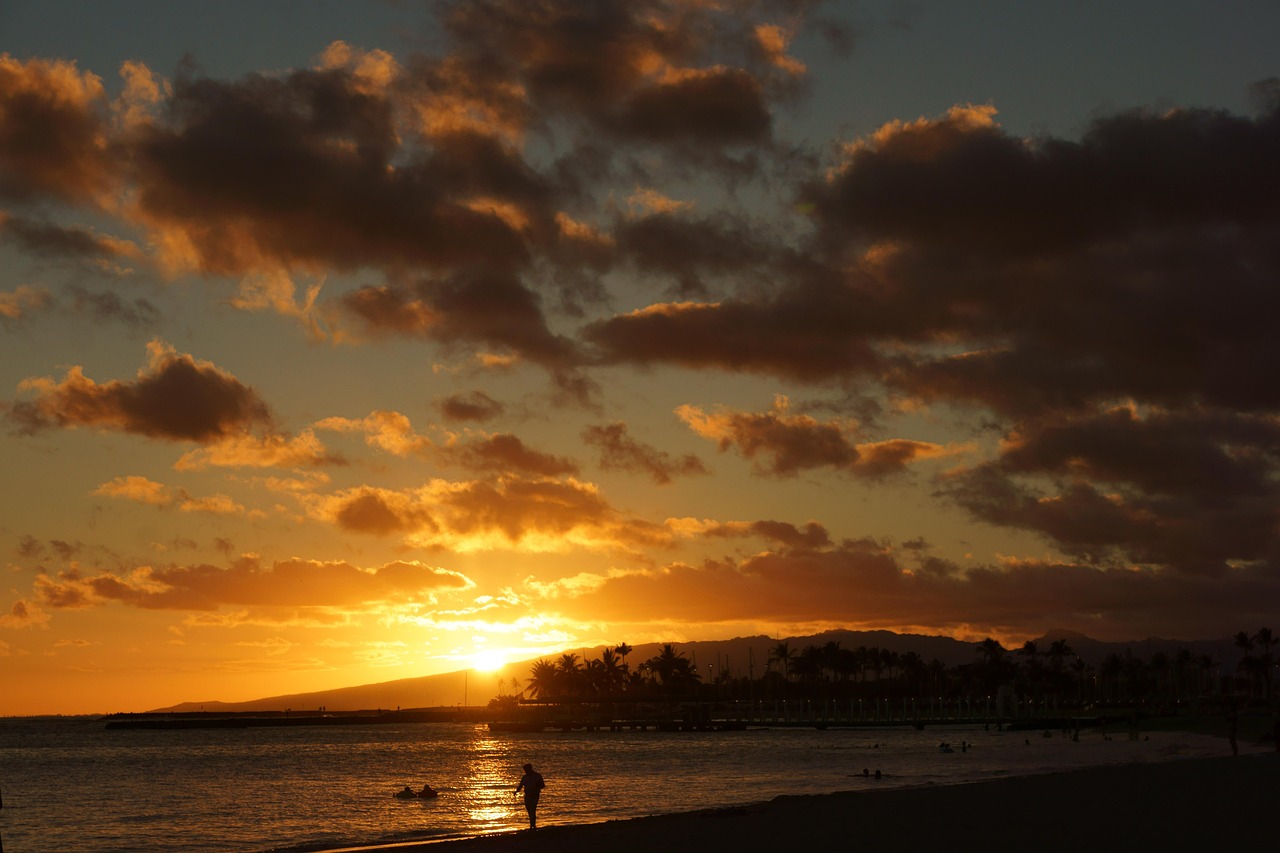
Oahu, Hawaii
Scores
Quick Facts
- Internet Speed:85 Mbps
- Affordability:expensive
- English:great
- Public Transit:reasonable
- Walkability:reasonable
Why It Fits
Oahu delivers classic Hawaiian experiences with exceptional natural beauty: Waikiki Beach for swimming and people-watching, Diamond Head for hiking, North Shore for surfing, and Pearl Harbor for history. Honolulu's downtown and Waikiki neighborhoods feature excellent restaurants, bars, and nightlife rivaling major US cities, though the island feels more resort-oriented than culturally immersive. The island is safe, English-speaking, and well-connected, making it accessible for Western travelers, but it lacks the bohemian energy or backpacker infrastructure of Southeast Asian nomad hubs. The best time to visit is December to March, when temperatures are mild (70-80°F), rainfall is lower, and trade winds provide comfortable conditions. Summer (June-August) brings humidity, heat, and peak crowds; September-November sees occasional heavy rain and is Hawaii's warmest period. Winter is shoulder season for some mainland US travelers, so accommodation prices remain elevated year-round due to Oahu's popularity with tourists and military personnel stationed nearby. Oahu suits travelers seeking reliable Western infrastructure, safety, and natural beauty who can afford Hawaii's high costs. The island works well for digital nomads with healthy budgets, remote workers on US-based schedules, and those seeking a more familiar environment than Southeast Asia. However, it's not ideal for budget-conscious nomads seeking cheap coworking spaces or $500/month apartments—those are fantasies on Oahu. The island also lacks the emerging startup scene or digital nomad communities found in Chiang Mai or Lisbon, making it better for established remote workers than location-dependent freelancers seeking community.
Popular Activities
See flights to Oahu
Enter your nearest airport (IATA code) to show flight options.
Historical Weather
Average temperatures and rainfall