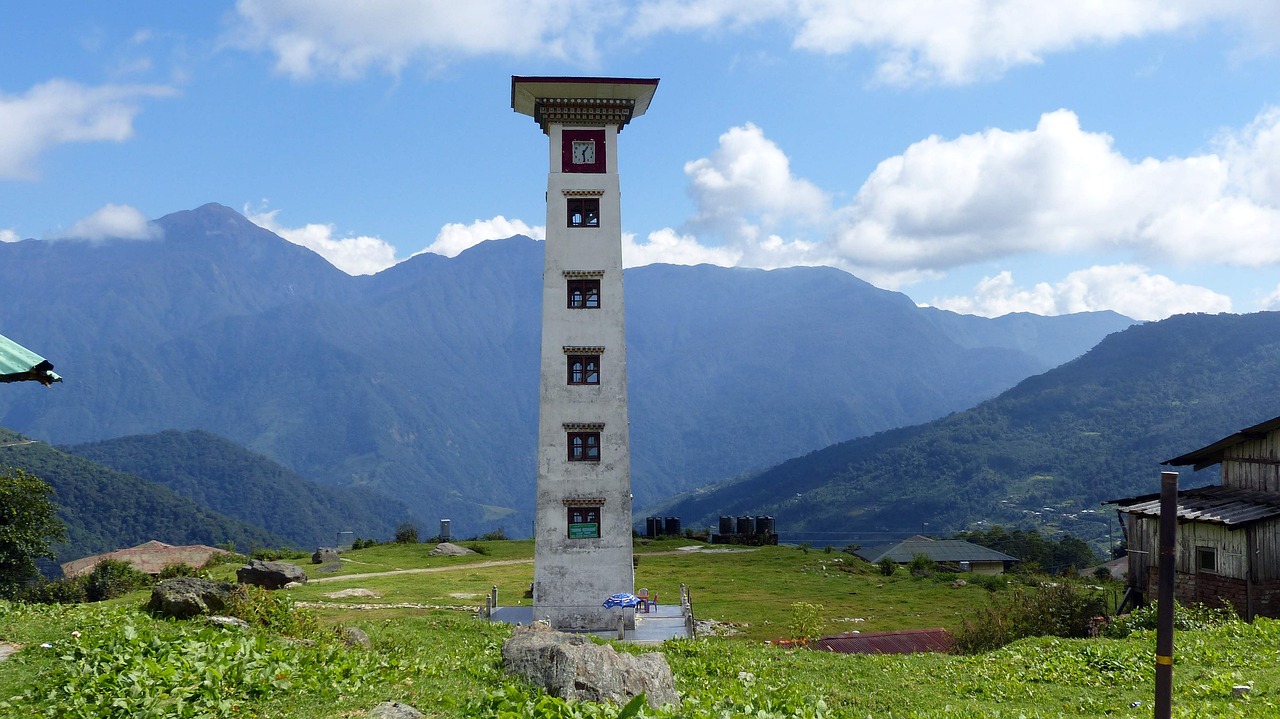
Paro, Bhutan
Scores
Quick Facts
- Internet Speed:15 Mbps
- Affordability:expensive
- English:reasonable
- Public Transit:poor
- Walkability:reasonable
Why It Fits
Paro serves as the primary entry point to Bhutan and offers a compelling blend of spiritual culture, stunning natural landscapes, and strict environmental stewardship. The city itself is relatively small and quiet, centered around a picturesque town with traditional Bhutanese architecture, local markets, and the iconic Paro Dzong (fortress monastery) overlooking the valley. The surrounding region features world-class trekking, including the famous Tiger's Nest Monastery hike, pristine forests, and farmland that has been organically maintained for centuries. For digital nomads and remote workers, Paro offers a dramatic change of pace from typical nomad hubs, though it requires patience with infrastructure and a genuine interest in Bhutanese culture rather than nightlife or convenience. The best time to visit Paro is during the clear, dry seasons: March to May (spring) brings blooming rhododendrons and mild temperatures, while September to November (autumn) offers crisp air and excellent visibility for mountain views. The monsoon season from June to August brings heavy rainfall, lush landscapes, and occasional landslides that can disrupt travel, though fewer tourists visit during this period. Winter (December to February) is very cold at higher elevations and can be cloudy, reducing mountain visibility, though Paro town itself remains accessible. Avoid the peak tourist seasons if possible, as Bhutan's daily tariff system (mandatory paid tours) makes even low crowds feel expensive. Paro suits travelers who value authenticity, spirituality, and natural beauty over convenience and nightlife. The Bhutanese government enforces strict tourism rules, including mandatory guides, daily tariffs ($250+ per day for foreign nationals), and limited independent travel—this is intentional policy to preserve culture and environment. Internet is present but slow and occasionally unreliable; electricity and water can be intermittent. The food is excellent (momos, chili-based dishes, local brews), but restaurant options are limited compared to other Asian hubs. This is not a city for budget backpackers or those seeking the digital nomad social scene; it's ideal for solo contemplative travelers, couples, or remote workers who can afford Bhutan's premium positioning and want to disconnect from the typical travel circuit.
Popular Activities
See flights to Paro
Enter your nearest airport (IATA code) to show flight options.
Historical Weather
Average temperatures and rainfall