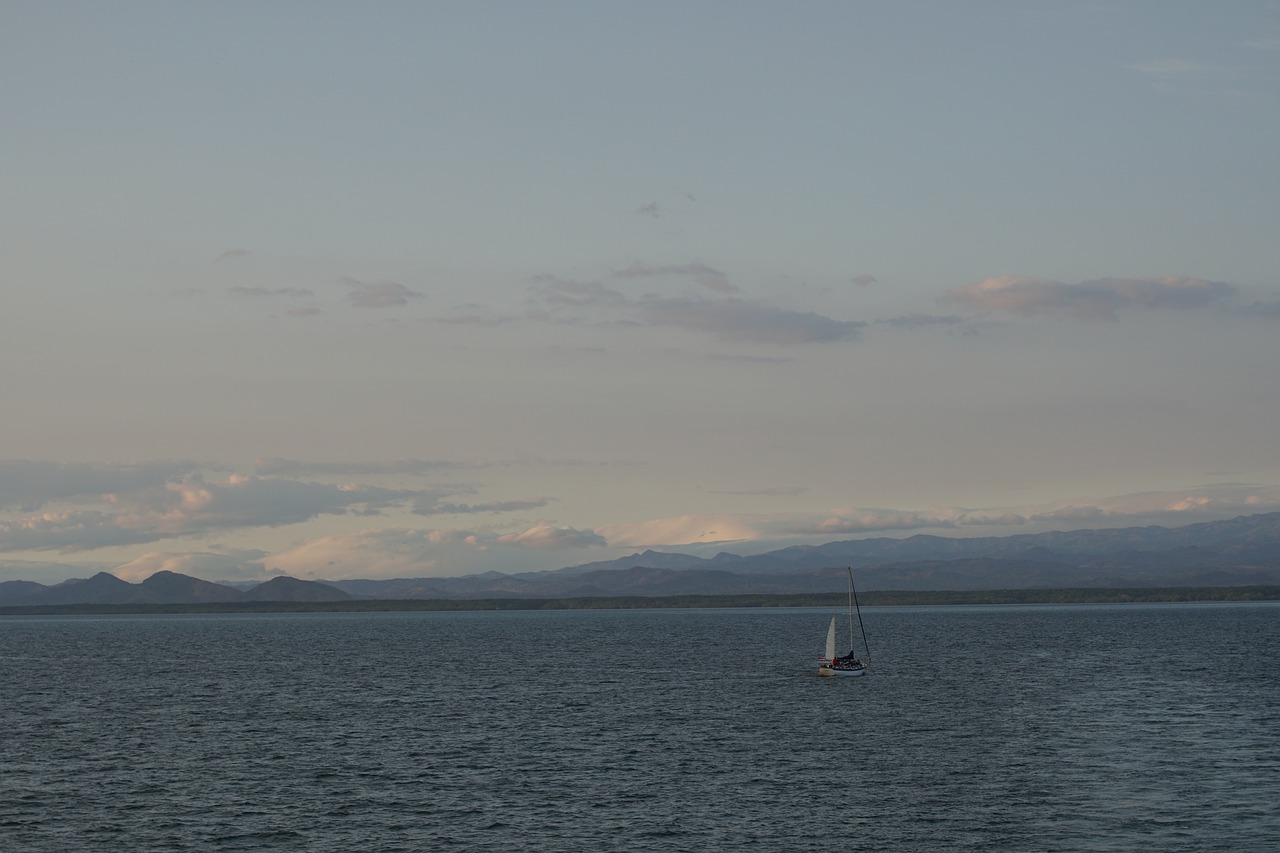
Puntarenas, Costa Rica
Scores
Quick Facts
- Internet Speed:25 Mbps
- Affordability:average
- English:reasonable
- Public Transit:reasonable
- Walkability:reasonable
Why It Fits
Puntarenas serves as a gateway to Costa Rica's Pacific coast and the Gulf of Nicoya, with a working port that gives it a gritty, authentic character distinct from tourist resorts. The town itself is relatively small and linear, stretched along a narrow peninsula, with seafood restaurants, local markets, and modest beach access. It functions primarily as a transit hub and jumping-off point for boat tours to islands like Tortuga, Montezuma, and Santa Teresa, making it more utilitarian than polished for overnight stays. The best time to visit is December through April (dry season), when weather is reliable and seas are calmer for island trips. May through November is the rainy season with afternoon downpours and rougher ocean conditions, though crowds thin and prices drop slightly. Puntarenas itself lacks the nightlife and dining sophistication of San José or beach destinations like Jaco or Manuel Antonio, so it appeals mainly to travelers using it as a ferry point or seeking an unpretentious fishing-town vibe rather than those seeking leisurely beach lounging or cultural immersion. The town has seen economic decline in recent decades, with some areas showing visible wear and petty theft being a concern in certain neighborhoods, especially at night. Internet is available but inconsistent, and English proficiency is moderate at best outside tourist-facing businesses. Accommodation ranges from budget hostels to mid-range hotels, and food is cheap, particularly fresh seafood. Most digital nomads either pass through quickly or base themselves in nearby beach towns like Montezuma or Mal País, which are more conducive to remote work and leisure.
Popular Activities
See flights to Puntarenas
Enter your nearest airport (IATA code) to show flight options.
Historical Weather
Average temperatures and rainfall