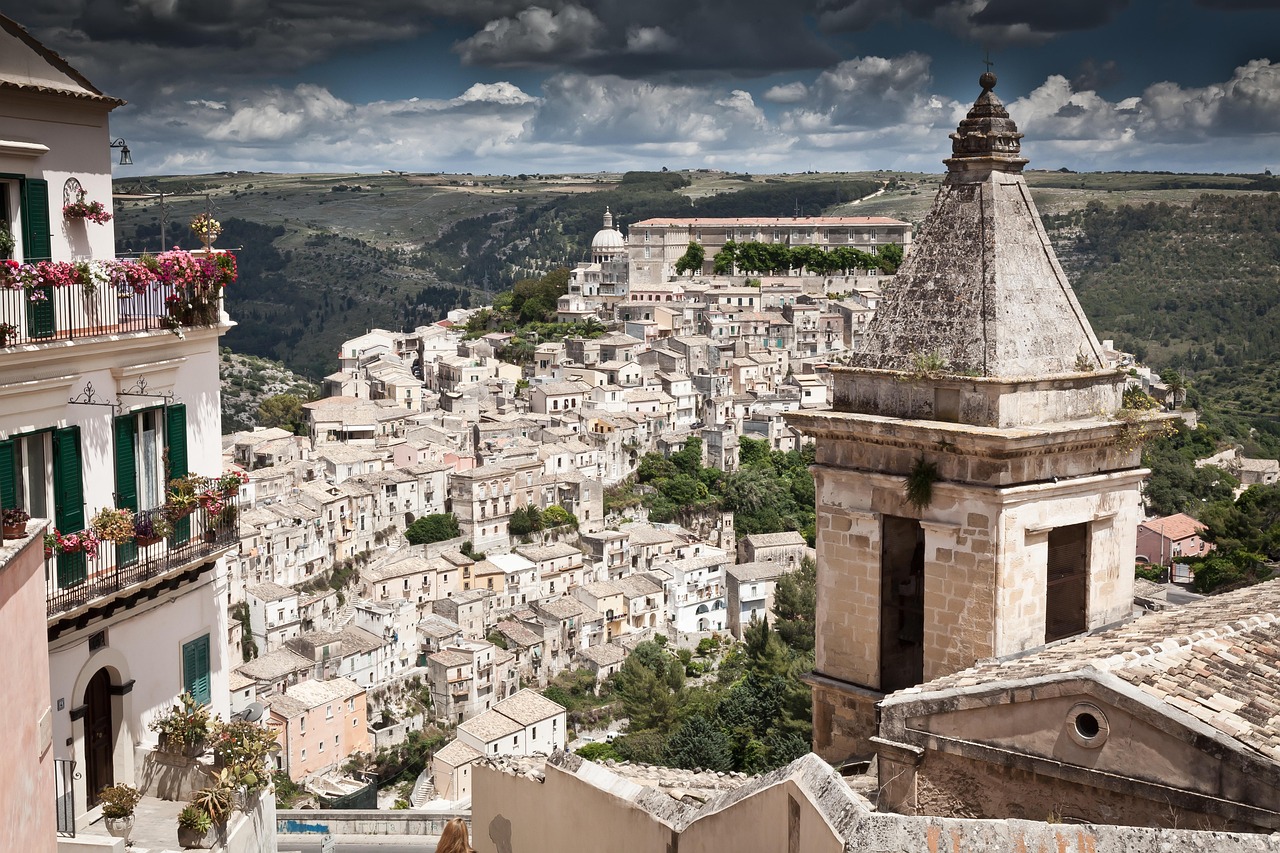
Ragusa, Italy
Scores
Quick Facts
- Internet Speed:60 Mbps
- Affordability:average
- English:reasonable
- Public Transit:reasonable
- Walkability:reasonable
Why It Fits
Ragusa is a UNESCO World Heritage site renowned for its dramatic late-baroque architecture, characterized by grand staircases, ornate palaces, and churches that climb the hillside in a mesmerizing geometric pattern. The city is split into two distinct areas: Ragusa Superiore (the planned upper town) and Ragusa Iblea (the older, more atmospheric lower town), each with its own charm and character. The local food scene reflects authentic Sicilian traditions with caponata, arancini, fresh seafood, and excellent pasta alla Norma at reasonable prices, while the surrounding countryside offers quick access to nearby beaches and agrarian estates producing wine and olive oil. The city has gained popularity from the Montalbano TV series filmed in the region, bringing some tourism without the overwhelming crowds of Palermo or Catania. The best time to visit Ragusa is April to June and September to October, when temperatures are mild (65-75°F), humidity is manageable, and the summer tourist crush hasn't arrived or has passed. July and August are brutally hot (85-95°F) with high humidity, making walking the steep baroque streets exhausting, though these months do attract more nightlife and beach-bound visitors. Winter (November-February) is mild by northern standards but brings occasional rain and reduced restaurant/attraction hours; spring offers blooming countryside and Easter celebrations with local religious processions that showcase deep cultural traditions. Ragusa suits travelers seeking authentic Sicily without the Venice/Florence tourist factories—it's ideal for photographers, architecture enthusiasts, and digital nomads wanting slower-paced European living at reasonable cost. The city moves at a distinctly Italian rhythm with long lunches, afternoon siestas, and evening passeggiata (social strolling), so it rewards those who embrace a leisurely schedule rather than rushing through attractions. Expect narrow, steep cobblestone streets that require good walking shoes and patience, limited English outside the tourism sector, and a local population that remains genuinely surprised and welcoming to foreign visitors who attempt Italian conversation.
Popular Activities
See flights to Ragusa
Enter your nearest airport (IATA code) to show flight options.
Historical Weather
Average temperatures and rainfall