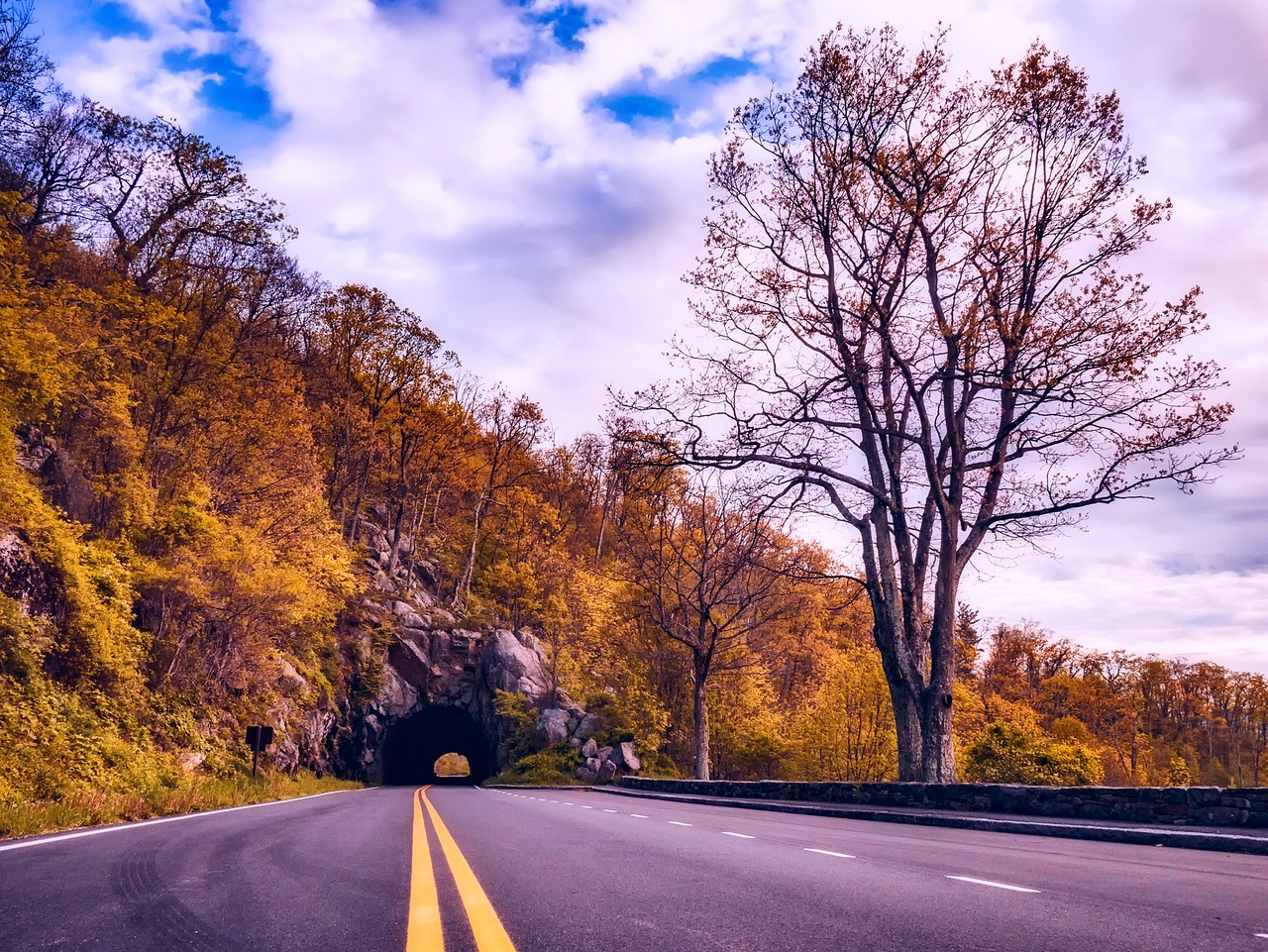
Shenandoah Valley, United States
Scores
Quick Facts
- Internet Speed:45 Mbps
- Affordability:cheap
- English:great
- Public Transit:poor
- Walkability:reasonable
Why It Fits
The Shenandoah Valley spans northern Virginia with the Blue Ridge Mountains as its dramatic centerpiece, anchored by towns like Harrisonburg, Staunton, and Lexington. The region combines agricultural heritage, Civil War history, and outdoor recreation—hiking, rock climbing, and scenic drives dominate the activity calendar. The valley's appeal lies in its affordability compared to Northeast corridor cities, tight-knit communities, and excellent access to Shenandoah National Park. However, the area is decidedly quieter and less cosmopolitan than major urban centers, with fewer restaurants, cultural venues, and nightlife options. Best travel seasons are spring (April–May) and fall (September–October), when temperatures are mild (60–70°F), wildflowers bloom, and foliage colors attract visitors. Summer (June–August) can be humid and crowded with tourists; winter (November–March) brings occasional snow and fewer activities, though it's peaceful and even cheaper. The region suits outdoor enthusiasts, remote workers prioritizing nature and affordability, and those seeking small-town American culture rather than urban stimulation. For digital nomads, the Shenandoah Valley offers modest but functional internet (30–50 Mbps in towns), low monthly costs ($1,500–$2,000 for a rental, food, and utilities), and a welcoming vibe. The downside is limited coworking infrastructure, fewer dining and entertainment options than larger cities, and cultural activities concentrated in university towns. It's ideal for introverts, outdoor enthusiasts, and those who value community and natural beauty over urban amenities and nightlife.
Popular Activities
See flights to Shenandoah Valley
Enter your nearest airport (IATA code) to show flight options.
Historical Weather
Average temperatures and rainfall