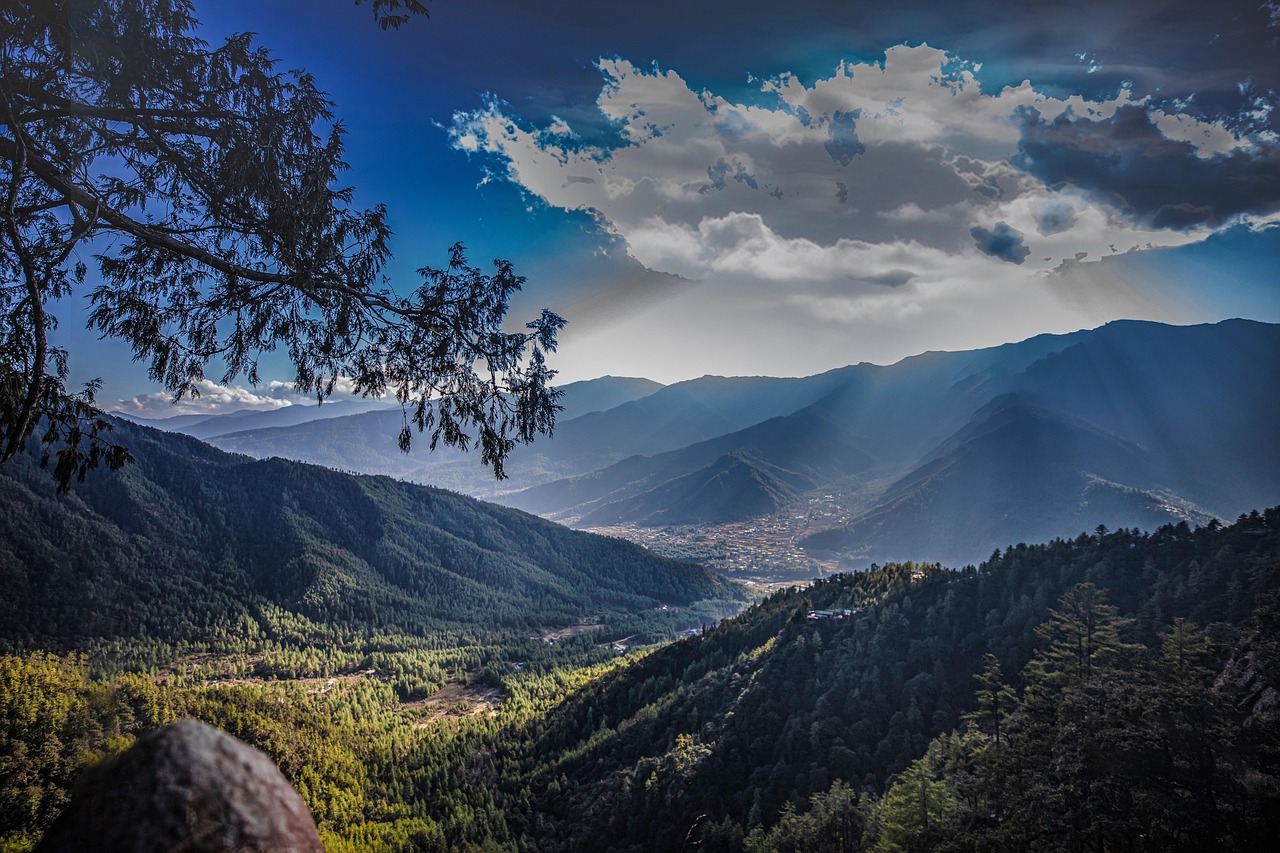
Thimphu, Bhutan
Scores
Quick Facts
- Internet Speed:25 Mbps
- Affordability:cheap
- English:reasonable
- Public Transit:reasonable
- Walkability:great
Why It Fits
The capital of the only country that measures progress by happiness rather than GDP, is a compact, orderly city nestled in a mountain valley at 7,650 feet altitude. The city blends traditional Buddhist architecture with minimal modernization: no McDonald's, no neon signs, and a deliberate cap on tourism to preserve culture. Streets are clean, quiet, and remarkably safe. The city revolves around religious observance, traditional dress (ghos and kiras are still daily wear), festivals like the celebrated mask-dancing tshechu, and outdoor pursuits. However, it's not a nightlife or culinary destination by international standards—restaurants serve primarily local food and a few tourist-oriented options, and there's minimal bar scene. Best months to visit are March–May (spring, 15–20°C, clear skies, rhododendrons blooming) and September–November (autumn, 12–18°C, crisp air, minimal rain). These shoulder seasons avoid the summer monsoon (June–August, heavy rain, landslides, airport closures) and cold winter (December–February, frost, some closure risk). January is the clearest and coldest month; July is warmest but extremely wet. The city suits introspective travelers, Buddhist practitioners, hikers, and those seeking authentic cultural immersion over convenience—not backpackers chasing parties or digital nomads needing unlimited coworking and dining options.
Popular Activities
See flights to Thimphu
Enter your nearest airport (IATA code) to show flight options.
Historical Weather
Average temperatures and rainfall