Thrace Region, Greece
Scores
Quick Facts
- Internet Speed:45 Mbps
- Affordability:cheap
- English:reasonable
- Public Transit:reasonable
- Walkability:reasonable
Why It Fits
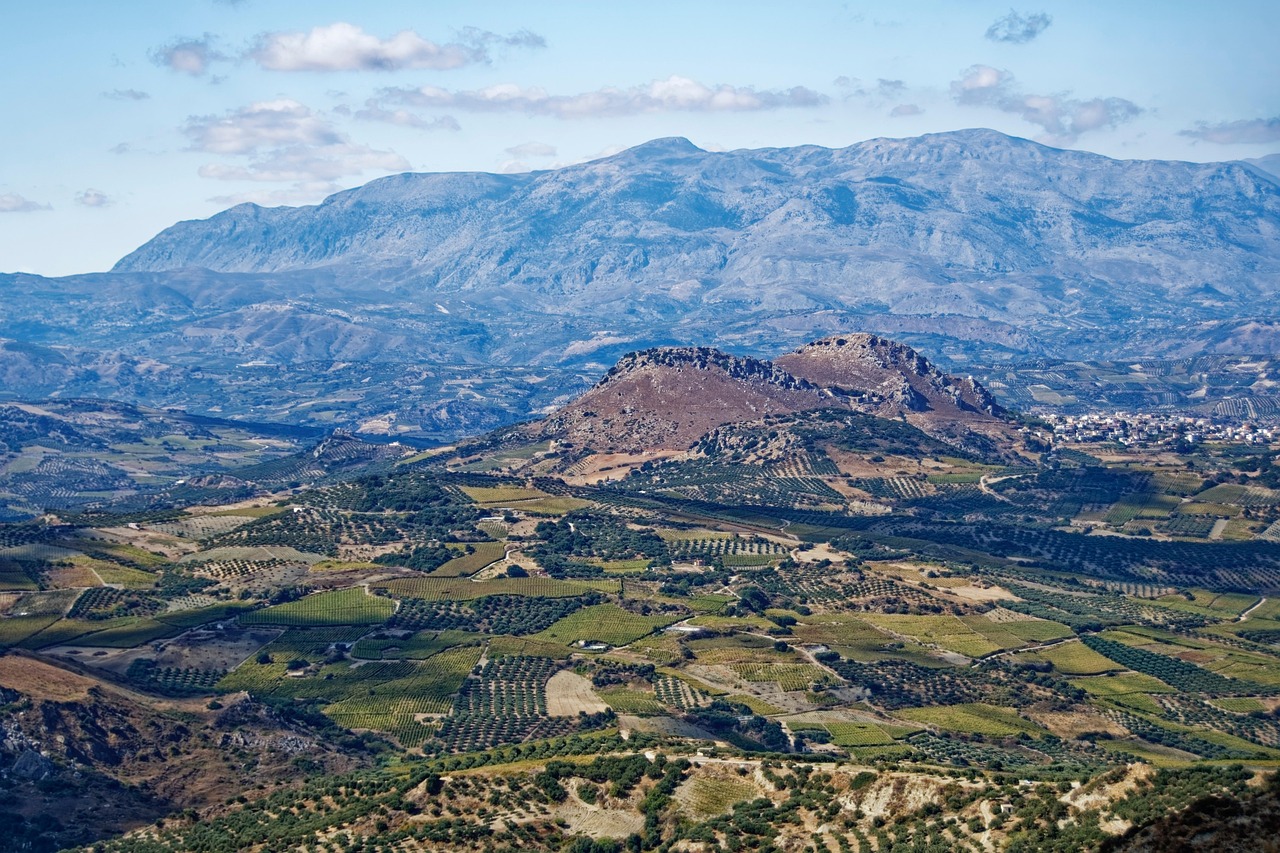
Thrace (Θράκη) is Greece's most northeastern region, bordering Bulgaria and Turkey, spanning cities like Alexandroupoli, Komotini, and Xanthi. The region offers a distinct cultural identity shaped by centuries of Ottoman rule, evident in its architecture, food, and traditions. Unlike typical Greek holiday destinations, Thrace feels genuinely Greek—with local tavernas, regional wines, traditional dances, and mountain villages that see few foreign visitors. The coastline along the Aegean and Thracian Seas provides quieter alternatives to overcrowded southern Greek islands, while inland areas feature the Rhodope Mountains with hiking, skiing, and traditional villages. The best time to visit is late April through June (spring) and September through October (fall), when temperatures are pleasant (18–25°C), accommodation is cheaper, and crowds are minimal. Summer months (July–August) bring heat (30–35°C) and slightly more tourists, though never approaching southern Greece levels. Winter (November–February) is mild but rainy, with limited tourist infrastructure and shorter daylight hours; many accommodations close, and some mountain roads become impassable. December–January can feel particularly quiet and isolated. Thrace suits independent travelers seeking authenticity over comfort, budget nomads wanting East European prices in a Greek setting, and those interested in history, nature, and local culture. The region is less developed for tourism than southern Greece, meaning fewer English speakers, less polished infrastructure, and fewer "Instagram moments"—but significantly cheaper living costs, genuine hospitality, and a sense of discovery. It's ideal for travelers comfortable with basic amenities and those wanting to escape the Greek islands' tourist treadmill. Digital nomads should note that while internet is adequate in city centers, it can be spotty in smaller towns and villages. The region's main drawback is accessibility—public transport is limited outside major towns, making a car or strong willingness to hitchhike advantageous. Food and housing are very affordable, and the pace of life is decidedly slow, which appeals to some nomads but frustrates those seeking vibrant nightlife or cosmopolitan conveniences.
Popular Activities
See flights to Thrace Region
Enter your nearest airport (IATA code) to show flight options.
Historical Weather
Average temperatures and rainfall