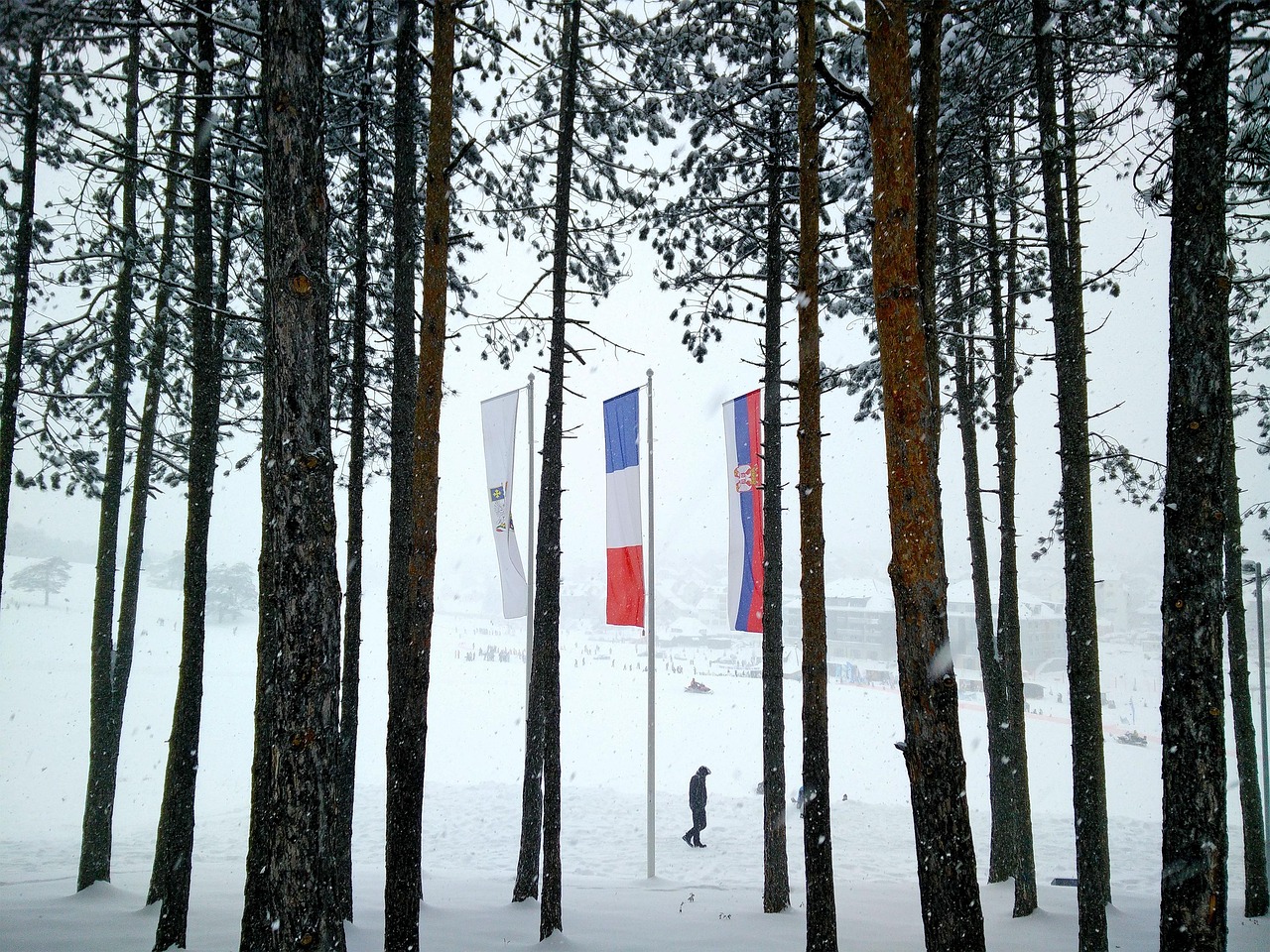
Zlatibor, Serbia
Scores
Quick Facts
- Internet Speed:35 Mbps
- Affordability:cheap
- English:reasonable
- Public Transit:poor
- Walkability:reasonable
Why It Fits
Zlatibor sits on a high plateau in Serbia's Dinaric Alps, offering crisp air, hiking trails, and a strong sense of Balkan hospitality. The town itself is modest but functional, with small restaurants serving traditional Serbian cuisine, decent local accommodation, and a genuine community feel. The main appeal is outdoor activity—hiking, biking, skiing in winter—and the chance to experience authentic highland life without tourist crowds. The landscape is genuinely striking, with meadows, forests, and traditional wooden houses scattered across the plateau. Best seasons are late spring (May–June) and early autumn (September–October), when temperatures are mild (15–22°C), trails are accessible, and the mountain light is exceptional. Winter (December–February) brings snow and skiing but can feel isolating due to weather. Summer (July–August) sees the most tourists and occasional heat, though it remains cooler than lowland Serbia. Avoid April and November for unreliable weather. The town quiets dramatically in shoulder and winter months, which suits remote workers seeking focus but limits social options. Zlatibor attracts independent travelers, nature-focused nomads, and those escaping the chaos of Balkan cities. It's not ideal for high-energy nightlife or world-class dining, but perfect for long-term work stays, writing retreats, or seasonal mountain living. Internet is adequate but not blazing, and you'll need to embrace slower rhythms and a small expatriate community. The cost of living is extremely low—rent, food, and local services are a fraction of Western European prices—making it viable for tight budgets. Be prepared for limited English outside tourist hospitality and a town that genuinely feels off the beaten path.
Popular Activities
See flights to Zlatibor
Enter your nearest airport (IATA code) to show flight options.
Historical Weather
Average temperatures and rainfall